finance
Hang Seng Climbs 2.32% as Rising Commodity Costs Add Pressure to Central's Property Sector
A broad rally in global equities and surging raw material prices present a double-edged moment for Hong Kong's construction-driven economy.
Listen in English · 2 min
How we reported this
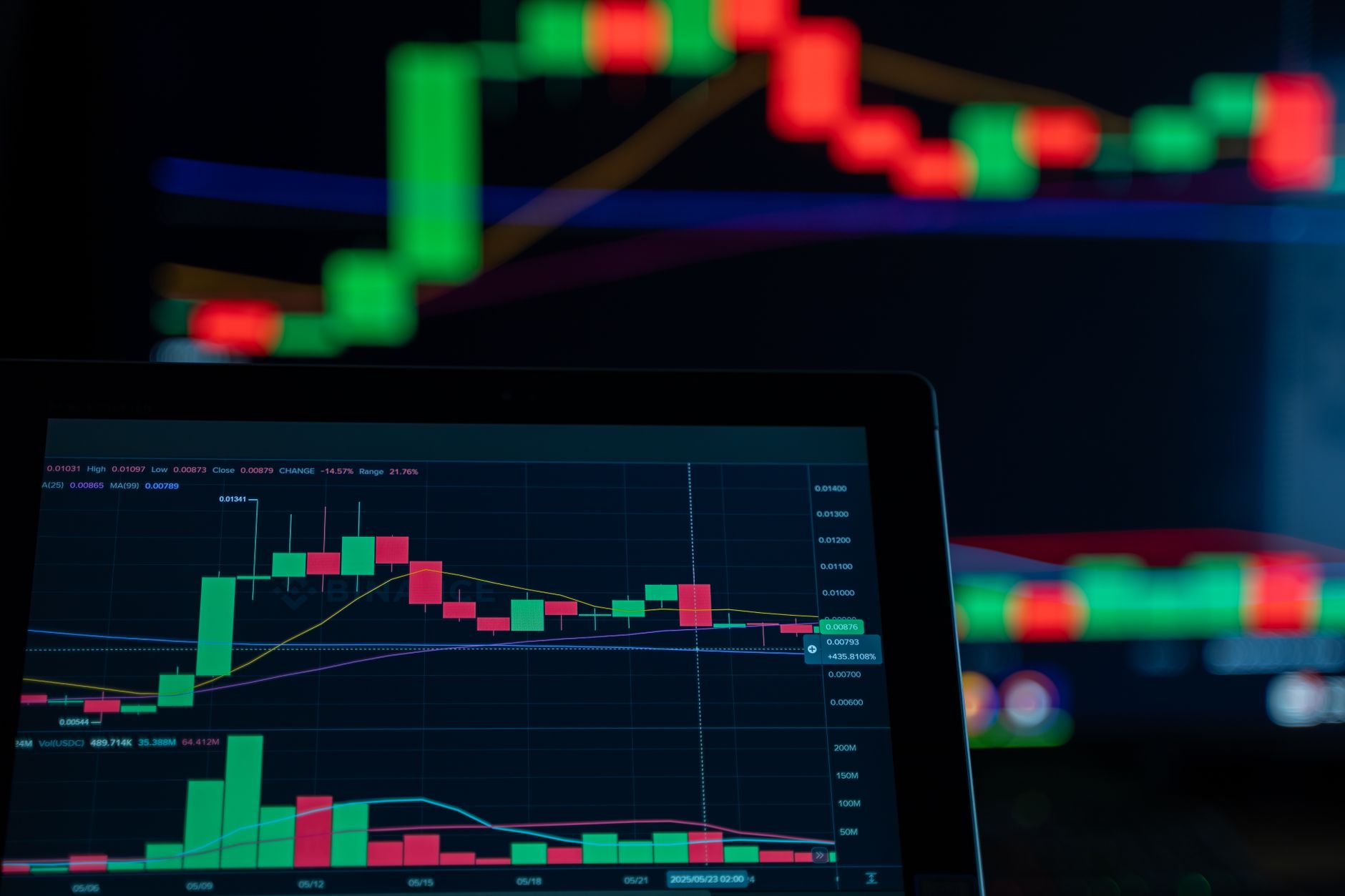
For anyone tracking the health of Central's property and construction pipeline, Monday's market session delivered a reading worth parsing carefully. The Hang Seng Index advanced 2.32% to close at 25,132.29, a move that on the surface signals renewed investor appetite for Hong Kong-listed equities. But beneath that headline gain, a simultaneous surge in the commodities that underpin every concrete pour and steel frame in the city points to a more complicated picture for developers, contractors and the buyers waiting on the other side of project completions.
Copper, the metal whose price trajectory has long served as a bellwether for construction demand and industrial activity, jumped 3.65% to US$6.529. Platinum rose 3.02% to US$1,640.30, and silver surged 4.08% to US$59.12. Gold, which functions both as a safe-haven store of value and as a component in high-specification building systems, gained 1.94% to US$4,088.30 an ounce. Taken together, these moves represent a meaningful upward shift in input costs for any project currently in procurement or mid-build. Central's dense, high-specification commercial and residential developments are particularly exposed to copper and premium metal pricing, given the intensity of their mechanical, electrical and plumbing requirements relative to lower-grade construction elsewhere in the region.
Energy costs compounded that picture. Brent crude rose 2.36% to US$91.33 a barrel, while WTI crude oil climbed 1.68% to US$84.63. Natural gas edged up 1.01% to US$2.889. For a city that imports virtually all of its energy and relies on it to power the cranes, concrete plants and logistics chains behind every major development, sustained crude prices at these levels feed directly into project budgets and, eventually, into the pricing calculus that developers present to prospective tenants and buyers.
Global Equity Momentum Provides the Counterweight
The equity side of the ledger offered a more straightforward boost to sentiment. Wall Street's technology-heavy Nasdaq rose 1.19% to 25,825.17, the S&P 500 gained 0.67% to 7,507.91, and the Dow Jones added a more modest 0.16% to reach 52,230.41. In Europe, Germany's DAX climbed 0.73% to 25,011.35 and France's CAC 40 rose 0.28% to 8,363.14, while the FTSE 100 edged lower by 0.14% to 10,585.91. The Nikkei 225 was the standout performer among major indices, surging 3.26% to 66,232.19, a move that reinforced the broadly risk-on tone across Asian trading floors. Singapore's Straits Times Index added 0.31% to 5,526.72.
For Hong Kong investors with exposure to globally listed equities through their portfolios, that Wall Street and broader Asian strength provides a degree of offset to the cost pressures building on the ground. The Hang Seng's own 2.32% advance suggests that institutional money is reading the session's commodity moves as a signal of demand recovery rather than purely a supply shock, which would be consistent with the Nikkei's outsized gain and the firmness in industrial metals like copper. Whether that optimism holds through the next round of project tender results and leasing negotiations in Central's office market remains to be seen.
In the digital asset space, Bitcoin rose 1.74% to US$66,366.62 and Ethereum gained 1.02% to US$1,923.22. XRP was the strongest performer in the crypto segment, advancing 4.32% to US$1.1602. BNB added 0.36% to US$572.76, Solana edged up 0.07% to US$77.85, and Dogecoin rose 1.91% to US$0.07352. While cryptocurrency markets remain distinct from the property and equity dynamics driving the main session narrative, their participation in the broader risk-on move reinforces the general direction of investor positioning across asset classes today.
The session's figures are drawn from a Yahoo Finance market snapshot captured at 19:30 UTC on 21 July 2026. For Central readers, the interplay between a rising local index and simultaneously higher commodity and energy prices is the defining tension of this trading day: equity portfolios may look healthier, but the cost of building and maintaining the physical city is also quietly climbing. The net effect on property values, rental yields and development timelines will depend on how long both trends persist. This article is general information only and does not constitute personal financial or investment advice. Readers should consider their own circumstances and consult a licensed professional before making any financial decisions.