finance
Hang Seng Holds Ground as Tech Selloff and Crude Slide Reshape the View from Tsim Sha Tsui
While Wall Street's technology rout rattled global sentiment, Hong Kong's benchmark managed a modest gain, offering Tsim Sha Tsui's trade-exposed economy a more nuanced read than the headline carnage elsewhere suggested.
How we reported this
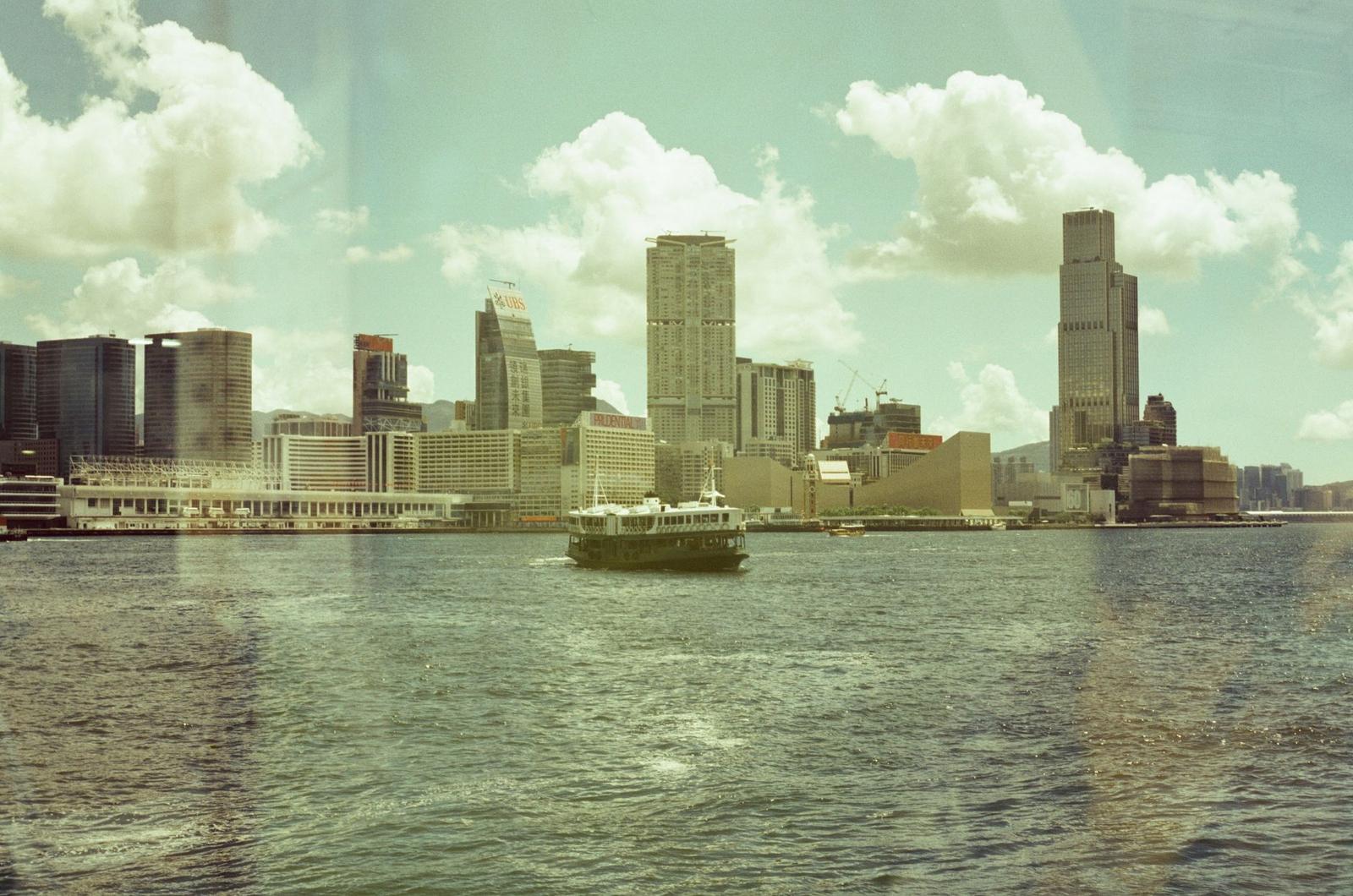
For a district whose economy is woven together by retail tourism, cross-border trade flows and the constant churn of goods moving through one of the world's most active harbours, Thursday's session carried a mixed but meaningful message. The Hang Seng index edged up 0.28% to close at 24,963.23, a quiet act of resilience set against a backdrop of sharp losses in technology-heavy markets overseas and a notable retreat in crude oil prices that will filter through to shipping and logistics costs across the territory in the weeks ahead.
The contrast with the United States was stark. The Nasdaq fell 2.90% to 24,944.68 and the S&P 500 dropped 1.31% to 7,400.47, while the Dow Jones declined a more measured 0.66% to 51,874.35. For Tsim Sha Tsui businesses with supply chains or financing arrangements denominated in US dollars, the scale of the Nasdaq's retreat is worth watching. Hong Kong's currency peg to the US dollar means that any sustained shift in American monetary conditions eventually arrives here without the buffer of exchange-rate adjustment, making the trajectory of Wall Street something closer to a local concern than a distant one.
In Asia, the Nikkei 225 bore the sharpest pain of the session, falling 2.73% to 64,611.15. Japan remains a critical import partner for Hong Kong across electronics, precision components and consumer goods that fill the shelves of Tsim Sha Tsui's retail corridor from Canton Road to the side streets behind Kowloon Park. A weaker Japanese equity market, if it persists, can signal softening industrial output upstream, which has downstream consequences for the variety and pricing of goods arriving into the territory. European markets were more sanguine: the CAC 40 gained 0.88% to 8,372.28, the FTSE 100 added 0.18% to 10,736.23, and the DAX slipped only modestly, down 0.22% to 25,099.
Crude's retreat and the commodity picture
Perhaps the most consequential single figure for Tsim Sha Tsui's import-dependent economy was the move in crude oil. Brent crude fell 3.76% to US$96.90 a barrel and WTI crude dropped 2.84% to US$89.57. For a city that imports virtually all of its energy and relies on fuel to move goods from the port through to retail and restaurant supply chains, a sustained decline in crude prices acts as a form of indirect relief on operating margins. Whether that relief is passed on to consumers or absorbed by intermediaries depends on competitive dynamics, but the directional signal is constructive for cost-sensitive businesses operating in one of the world's most expensive commercial districts.
Gold's behaviour deserves attention as a barometer of broader sentiment. The metal rose 0.16% to US$4,053 an ounce, a modest gain that suggests investors are retaining some defensive positioning even as equity markets in parts of Asia held up. Silver outperformed, rising 1.14% to US$58.46, and copper added 0.51% to US$6.34 per pound, a combination that points to continued industrial demand assumptions running alongside safe-haven interest. Natural gas fell 0.75% to US$2.894, while platinum slipped 0.22% to US$1,595.60.
In digital assets, the session was broadly negative. Bitcoin fell 1.39% to US$64,139.36, Ethereum declined 0.94% to US$1,859.44, and Solana dropped 2.60% to US$73.89. XRP fell 1.87% to US$1.0862. Dogecoin was the exception, edging up 0.04% to US$0.06916. Hong Kong has positioned itself as a regulated hub for digital asset activity, and the day-to-day volatility in crypto markets is a reminder that the asset class continues to move in wide amplitudes even as the regulatory framework matures.
Taken together, Thursday's session reinforced a familiar tension for Tsim Sha Tsui: the local index can hold its own on a given day, but the forces shaping the cost of imports, the appetite of international visitors and the health of export-linked industries are determined far beyond the harbour. The easing in energy prices offers some breathing room. The depth of the technology selloff on Wall Street and in Tokyo is a reminder that the global cycle is still working through considerable uncertainty. This article is general information only and does not constitute personal financial or investment advice. Readers should consider their own circumstances and consult a licensed professional before making any financial decisions.