lifestyle
Causeway Bay leads urban sustainability with rooftop gardens and waste programs.
From rooftop gardens to local waste schemes, Causeway Bay charts a distinct path in urban sustainability.
How we reported this
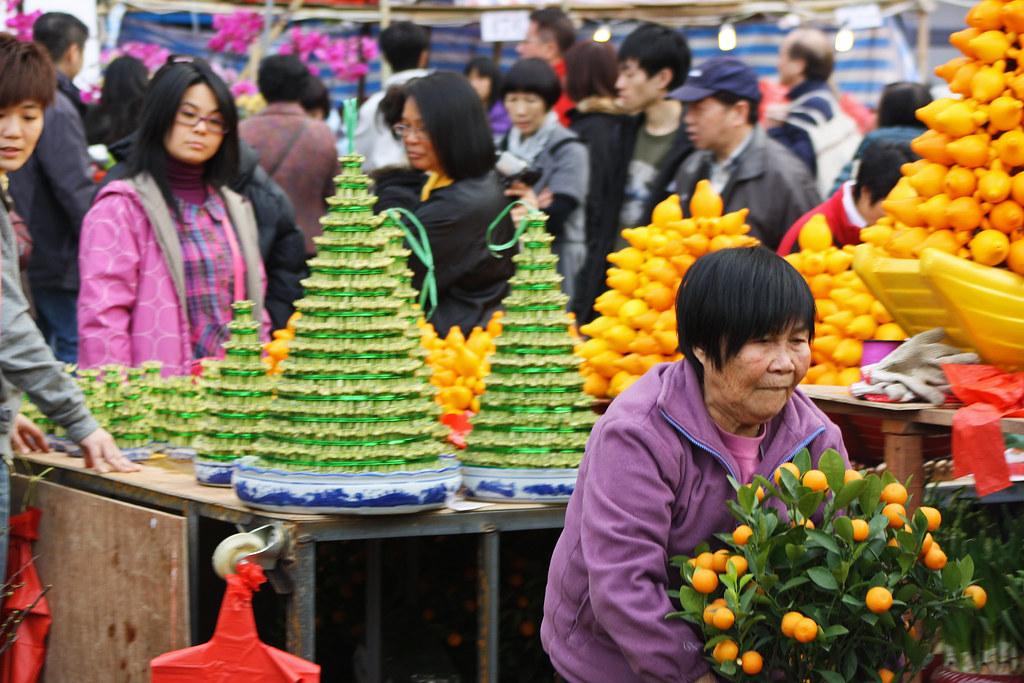
Causeway Bay residents lead the city in sustainable living with groundbreaking local initiatives such as the Victoria Park Community Solar Project and the Lane Gardens Rooftop Farm, marking the district as a model for urban eco-innovation.
As governments and cities worldwide ramp up efforts to combat climate change, the urgency of local environmental action has never been clearer. With global carbon emissions rising and urban populations swelling, densely populated centers confront unique challenges in reducing their ecological footprints. Causeway Bay, long known for its bustling shopping streets and vibrant nightlife, is now pioneering sustainable practices tailored to high-density urban life, reflecting a shift in city planning priorities aimed at balancing growth with environmental care.
Distinctive Local Initiatives Boosting Sustainability
Victoria Park Community Solar Project, launched in March last year by local nonprofit GreenFuture HK, involves installing solar panels on the roofs of market stalls and community centers surrounding Victoria Park. This initiative has already produced 150,000 kWh of clean energy in the past 12 months, enough to power approximately 120 average households annually. Meanwhile, the Lane Gardens Rooftop Farm atop the East Point Centre offers residents fresh, locally grown vegetables, reducing the need for carbon-intensive food transport. Managed by the Causeway Bay Eco Collective, the farm covers 1,200 square meters and delivers over 2,000 kilograms of produce each season.
These initiatives complement ongoing government programs, such as the Food Waste Recycling Pilot Scheme, active in Causeway Bay's bustling Causeway Place market since January 2025, which has decreased food waste sent to landfills by 25%, according to data shared by the Environmental Protection Department.
Why Causeway Bay's Approach Works
What distinguishes Causeway Bay from other global urban centers is its integration of green strategies directly into everyday life and commerce. The district's combination of community solar, urban agriculture, and waste reduction adapts well to its crowded streets like Tung Lo Wan Road and Jardine's Bazaar, melding environmental sustainability seamlessly with high-density commercial activity.
Recent data confirms that this approach yields tangible benefits: a 2026 survey by the Centre for Urban Sustainability found that 67% of households in Causeway Bay participate in at least one local sustainability program, a significant jump from 45% in 2023. The average energy bill there has dropped by approximately 12% since the inception of the solar project-a saving that resonates with residents and businesses alike amid rising living costs.
With the Causeway Bay Green Festival scheduled for late September at Times Square plaza, city officials aim to raise further community engagement, showcasing eco-friendly products and workshops on low-waste living.
As communities worldwide seek replicable models for sustainable city living, Causeway Bay's locally tailored solutions offer a practical blueprint. Residents can contribute by joining community farming efforts, participating in waste separation programs, or attending upcoming workshops at the Hong Kong Eco Hub on Hennessy Road. These small actions, collectively embraced, promise to keep Causeway Bay at the forefront of urban environmental resilience.