news
Infrastructure Upgrades Drive Causeway Bay Property Values Higher
As Causeway Bay continues to develop, detailed statistics reveal the influence of infrastructure improvements on property values and rental yields.
How we reported this
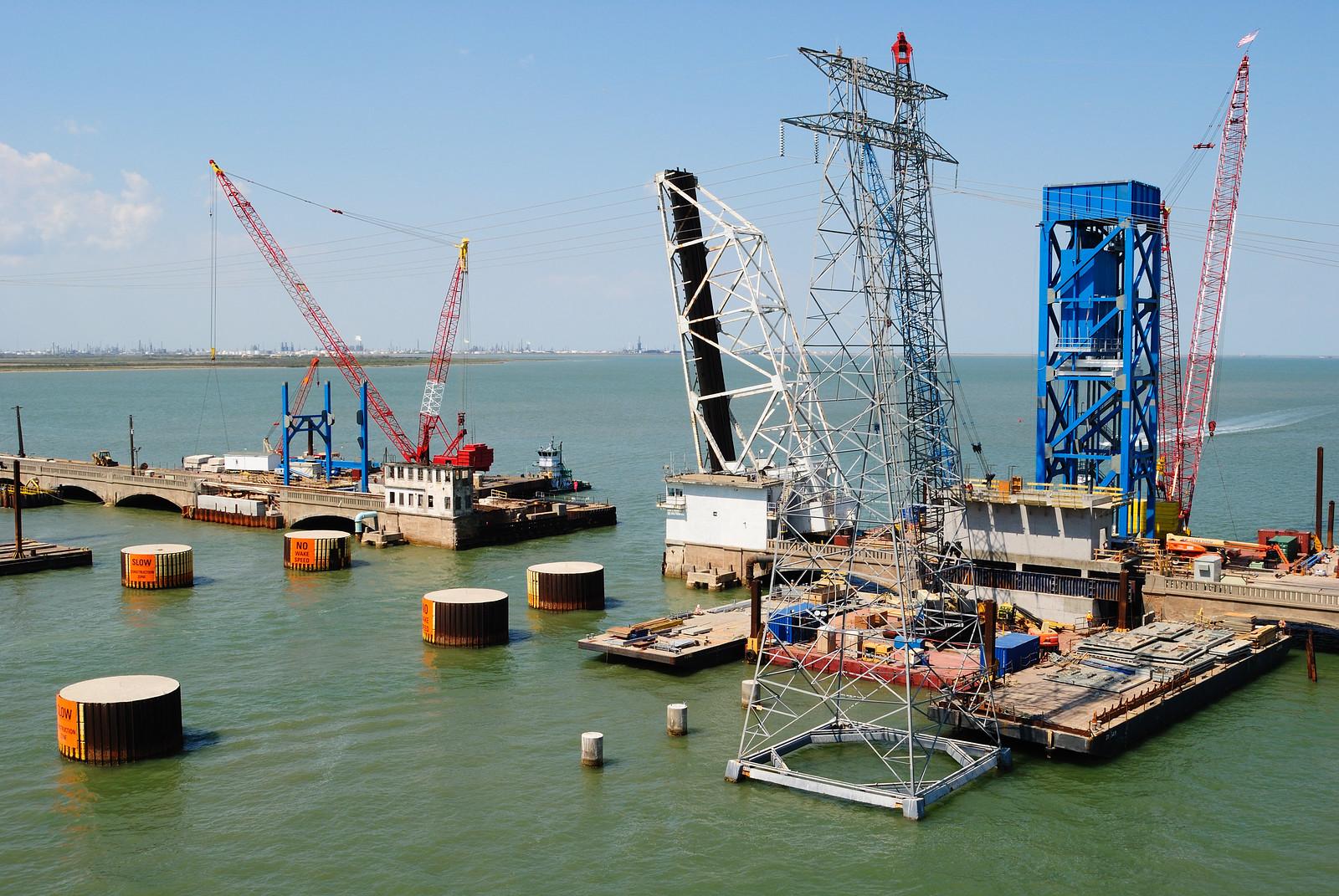
Causeway Bay’s infrastructure upgrades are closely linked to its resilient property market, delivering rental yields averaging between 3.5% and 4.3%, according to recent data. The district’s strong MTR connectivity and prime location contribute to this steady demand from residents and tourists alike, underpinning its status as a competitive investment area in 2026.
Why Infrastructure Data Matters Now in Causeway Bay
Understanding the specific numbers behind Causeway Bay's growth is critical as the district faces a plateau in capital gains after years of rapid appreciation. From 2010 to 2021, property prices surged an impressive 112%, outpacing even Central and Tsim Sha Tsui. However, this momentum slowed considerably with only a 1.3% annual increase recorded between 2022 and 2023. This leveling off signals stakeholders must now scrutinize infrastructure enhancements to gauge their influence on sustaining long-term property values and rental income potential.
The context is further refined by Causeway Bay’s structural constraints: the limited availability of developable land keeps supply tight, while the neighborhood continues to attract roughly 1.2 million visitors daily. These elements create a unique environment where upgraded transport links and commercial expansions could have outsized effects.
Localized Infrastructure Effects in Market Terms
Recently, the Grade-A office rental market in Causeway Bay has gained attention. Experts project a near doubling of rents by 2025, with an increase of 118% pushing prices to HK$136.90 per square foot. This adjustment narrows the rental premium gap with Central, indicating that infrastructure improvements-especially those enhancing accessibility and commercial viability-are making Causeway Bay more appealing to businesses.
On the residential side, high-end developments continue to uphold home prices at around HK$21,000 per square foot, supported by steady transaction volumes. The ongoing construction of upscale projects locally helps maintain price rigidity despite a general easing in other districts. This suggests that infrastructure upgrades, including better MTR links and public amenities, are practical drivers reinforcing Causeway Bay’s property market robustness.
Continued tourist footfall and residential demand combine with the district’s embedded scarcity to preserve competitive rental yields averaging 3.5 to 4.3%. The yields benefit directly from accessible transport nodes and well-established commercial infrastructure, reflecting the symbiotic relationship between improved city facilities and real estate economics documented in the statistics.
Looking Ahead: What the Data Tells Investors and Residents
For investors and residents eyeing Causeway Bay, the detailed data points hint at a market that balances steady income potential with cautious price growth. The slight plateau in capital appreciation reminds stakeholders to monitor shifts in infrastructure developments closely, as new projects could signal when and where growth might resume.
Furthermore, the anticipated leap in Grade-A office rents underscores opportunities for commercial tenants. Those considering leasing property in the district should anticipate cost adjustments linked to infrastructure-driven demand.
Overall, the statistics advise a strategic approach that combines awareness of local market metrics with vigilance on infrastructure projects’ progression. Causeway Bay’s unique mix of location advantages and development limitations makes it vital for market participants to understand not just headline property prices but the underlying data trends shaping future dynamics.