Politics
Mong Kok Residents to Get Direct Say on District Spending Plan Under New Ballot Measure
A new policy allows Mong Kok voters to approve or reject major capital projects over HK$50 million, giving the community direct control over district infrastructure priorities for the first time.
How we reported this
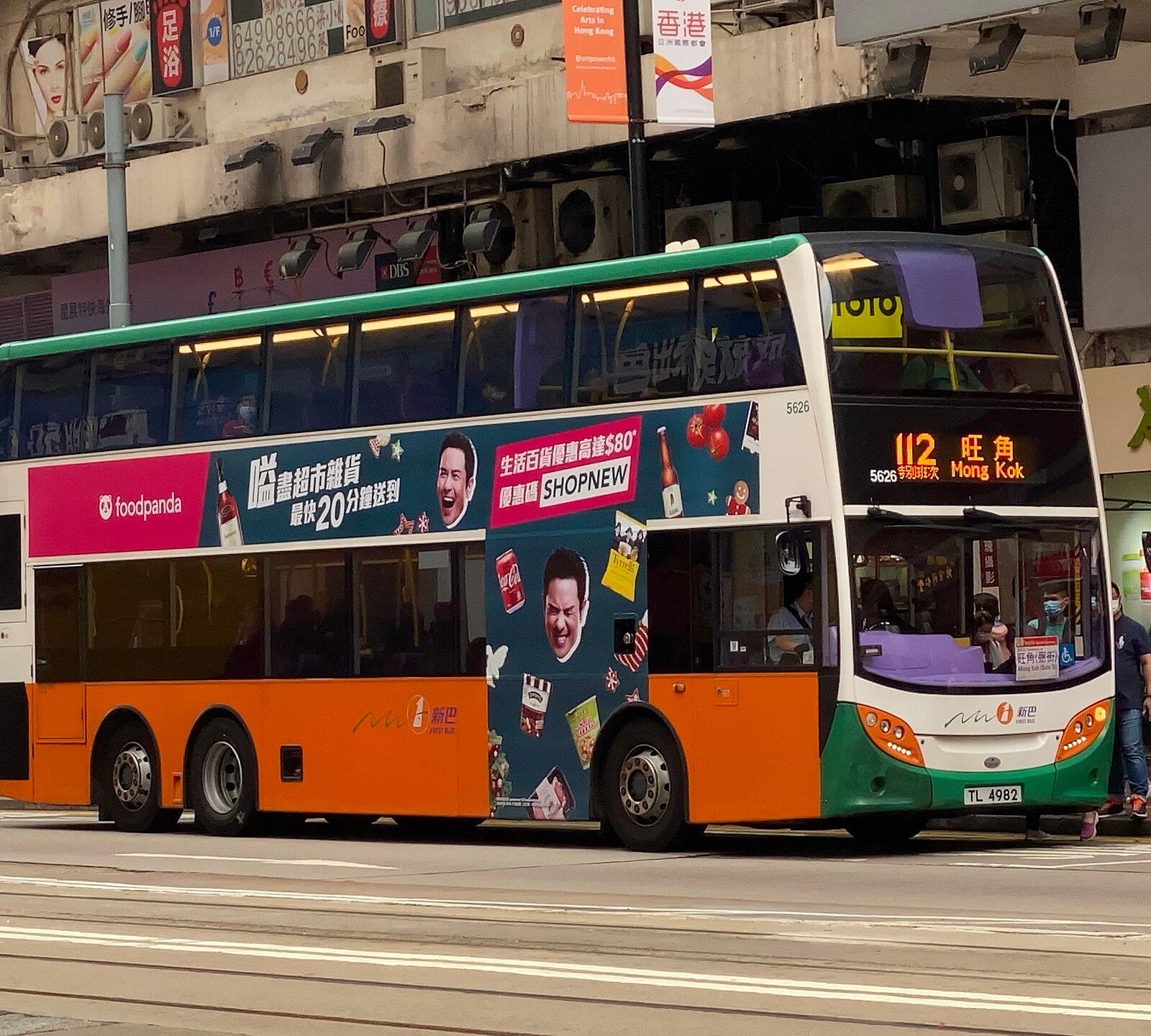
Mong Kok residents will have the power to vote directly on major public spending decisions under a ballot measure framework that takes effect in September 2026. The District Council has announced that any capital project exceeding HK$50 million in the Mong Kok area must now be put to a binding referendum before construction begins. The threshold applies to roads, community centres, public housing developments and transport infrastructure that will shape the district for decades.
The move responds to longstanding complaints from local residents that big decisions affecting Mong Kok were made by government agencies without meaningful community input. Last year, a proposed HK$120 million pedestrian overpass linking Nathan Road to the wet market faced months of public backlash after residents learned about it only weeks before planning approval. The new ballot measure framework is designed to prevent that scenario from repeating. Any project that meets the HK$50 million threshold must be disclosed to residents at least 120 days before a referendum vote, with a plain-language explanation of costs, timelines and expected impact on local traffic, businesses and housing.
How the Ballot Works and What It Means for Residents
Mong Kok residents registered on the electoral roll will receive voting papers in the mail for any qualifying project. A simple majority determines the outcome. Projects that fail a referendum cannot proceed in their original form, though the District Council can commission a revised design and request another vote. The government says this approach is expected to give residents genuine control over their neighbourhood's future without paralysing infrastructure planning.
For small shop owners and hawkers, the ballot measure creates a mechanism to challenge large projects that might disrupt foot traffic or operating conditions. A proposed underground carpark beneath Argyle Street would have required two years of construction work that could have devastated nearby businesses. Under the new framework, traders would have had a formal chance to vote and voice concerns before work began. Residents also gain transparency on project budgets. The government must now release itemised cost breakdowns for referendum materials, allowing voters to assess whether HK$75 million for a new community library represents value for money compared to HK$40 million to expand the existing facility on Shan Tung Street.
Implementation Timeline and Open Questions
The Mong Kok District Council will conduct its first referendum in October 2026 on a HK$68 million upgrade to the wet market's cooling and storage systems. The vote is expected to determine whether the project proceeds as planned or faces modification. Two further projects-a HK$85 million transport interchange at Prince Edward and a HK$110 million community health facility-are in the pipeline and likely to reach ballot status by early 2027.
Policy analysts note that the measure raises questions about timeline and cost. Ballot processes add four to six months to project schedules, and the government must fund the referendum administration from existing district budgets. The Mong Kok office has allocated HK$2.4 million for voter education and ballot logistics over the next fiscal year. Residents should expect clear postal notices explaining each project starting in early September.
The framework applies only to Mong Kok and three pilot districts for now. If results show majority support for the ballot measure across those areas, the government says it intends to roll out the policy territory-wide by 2028. Mong Kok residents wanting information on upcoming referendums can register for email alerts at the District Council office on Nelson Street or check the official website for project announcements.