Politics
Tung Chung's District Administration Benchmarked Against Comparable New Towns as Hong Kong Reviews Decentralisation Policy
A government-led review of how Tung Chung's local service delivery stacks up against Sha Tin, Tuen Mun and other planned new towns has direct implications for how residents access everything from refuse collection to public transport subsidies.
How we reported this
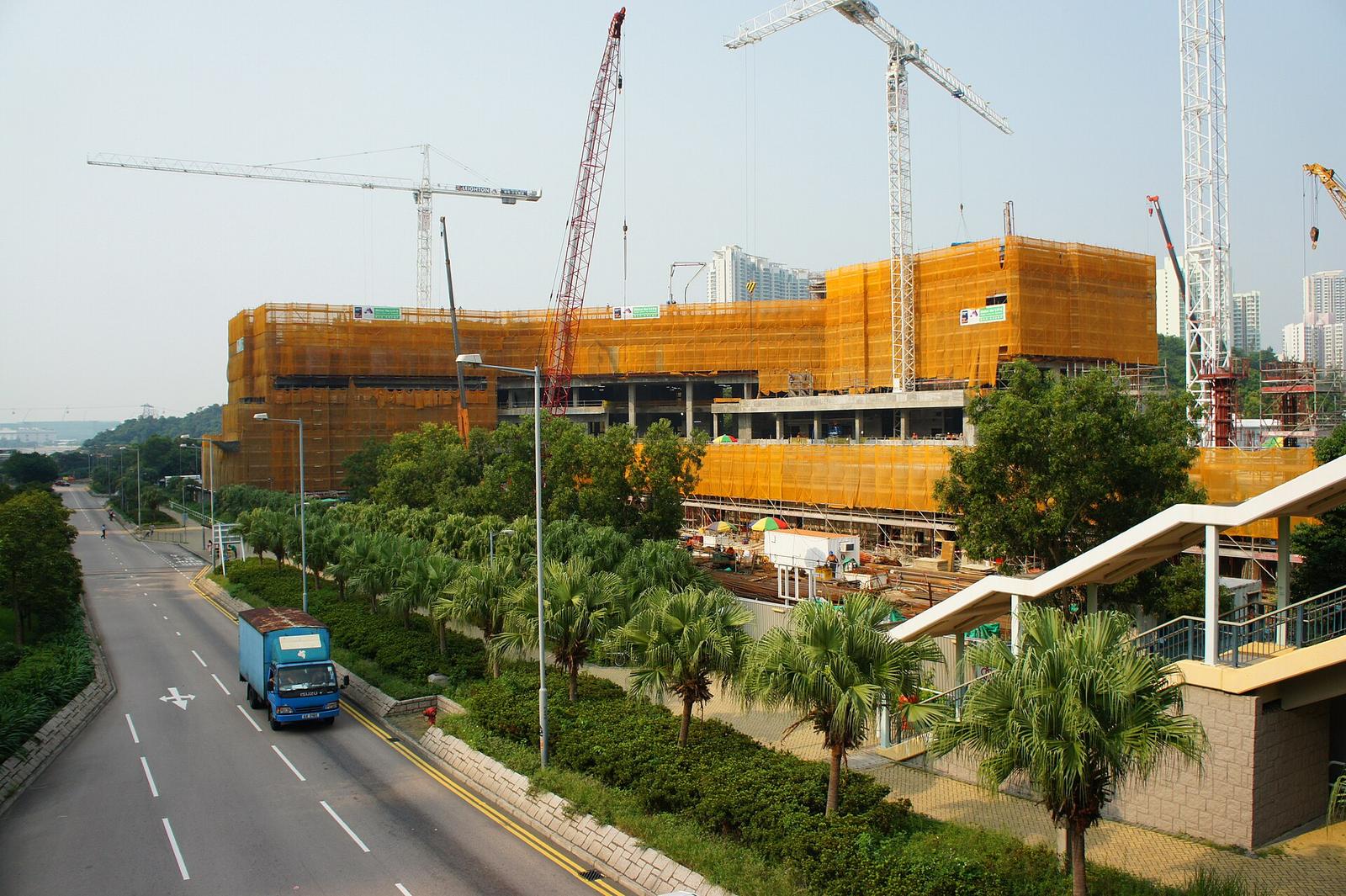
Hong Kong's Home and Youth Affairs Bureau is conducting a structured review of district-level administrative capacity across the territory's designated new towns, with Tung Chung on Lantau Island among the communities under assessment. The review, which officials say will inform the next District Administration Reform cycle beginning in 2027, examines whether service delivery frameworks in rapidly expanded communities keep pace with population growth and infrastructure investment. For the roughly 130,000 residents of Tung Chung, the outcome could reshape how local complaints are processed, how community facilities are allocated, and which government bureaux hold primary responsibility for neighbourhood-level issues.
The timing reflects a broader policy pressure point. Tung Chung's population is projected to exceed 220,000 once the Tung Chung New Town Extension, currently under construction in the eastern and western zones, reaches full occupancy. The Planning Department's 2024 Tung Chung New Town Extension Outline Zoning Plans designate land for schools, clinics and open space that will serve this expanded population, but district governance structures have not been formally updated since the Islands District Council boundaries were last adjusted in 2019. Policy analysts say the gap between physical expansion and administrative capacity is a recurring problem in Hong Kong's new town model, one that earlier developments in Sha Tin and Tuen Mun also experienced before their governance arrangements were revised in the 1990s and 2000s respectively.
How Tung Chung Compares to Sha Tin and Tuen Mun
Internal benchmarking documents circulated by the bureau, referenced in Legislative Council Panel on Home Affairs papers from May 2026, indicate that Tung Chung currently has a lower ratio of government-funded community hall floor area per resident than either Sha Tin or Tuen Mun. Sha Tin, which administers a population of approximately 680,000 under its own district office, operates seven district community centres managed under the Home Affairs Department. Tung Chung, administered as part of the Islands District, shares district resources across Lantau and the outlying islands, a geographic arrangement that local advocates say dilutes the responsiveness of services to the Tung Chung urban core specifically. The May 2026 panel papers note that complaint resolution times for environmental hygiene issues in the Islands District averaged 18 days in 2025, compared with 11 days in Sha Tin District and 13 days in Tuen Mun District over the same period.
For residents, the practical consequences show up in specific situations. Parents seeking places at district-managed after-school programmes must currently compete for allocations pooled across the entire Islands District, including remote island communities with very different demographic profiles. Elderly residents requiring referrals to district elderly community centres face waitlists that the Social Welfare Department's 2025-26 Annual Report describes as among the longest in any single district administrative unit in the territory. The review is expected to consider whether Tung Chung should be granted a dedicated sub-district administrative office with its own staffing complement, a model the government piloted in parts of the Sai Kung District in 2018.
Budget Implications and Next Steps
The 2026-27 Budget allocated HK$48 million toward the district governance review process territory-wide, with the Home and Youth Affairs Bureau responsible for submitting recommendations to the Chief Executive's Office by March 2027. The government says the policy will, if amended, take effect at the start of the 2028 district administration cycle. That timetable means residents in the Tung Chung New Town Extension eastern zone, where the first new residential buildings are expected to be occupied by late 2027 according to the Civil Engineering and Development Department's project schedule, may move into a neighbourhood that still falls under the existing Islands District administrative framework rather than any revised structure.
Community groups in Tung Chung have submitted written representations to the bureau calling for dedicated district-level resources ahead of the extension population influx. The review panel is scheduled to hold a public consultation session at Tung Chung Town Hall in September 2026, giving residents a formal opportunity to present evidence on service gaps before the bureau finalises its report.