property
Mong Kok Planning Overhaul Brings Smaller Flats, More Open Space
Kowloon council’s fresh revisions could usher in smaller flats, more open space and a different skyline for the district.
How we reported this
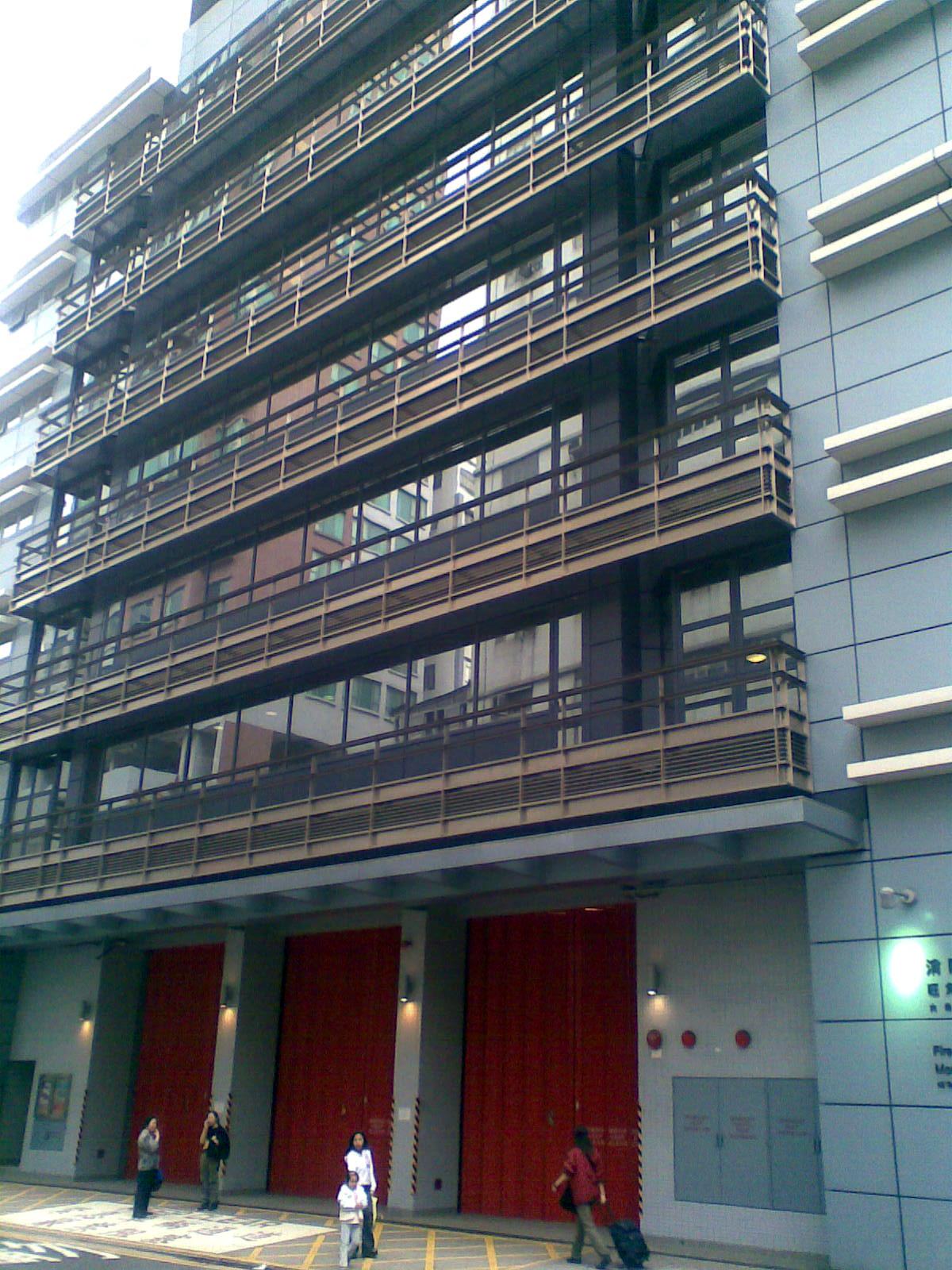
Council planners have signed off on a set of changes this week that will loosen key density regulations and introduce new building design requirements in Mong Kok, sparking fresh debate among developers and community groups over the future look and feel of the city’s busiest neighbourhood.
The move comes as a wave of redevelopment proposals stacked up at the Yau Tsim Mong District Council this spring, with land values and resident numbers soaring. Mong Kok’s streets, already home to some of the highest residential densities in the world, are set to see even taller towers and more subdivided flats if developers capitalise on the relaxed rules. The council says the reforms will help rejuvenate ageing blocks, but critics warn of further strain on transport and public facilities.
Banyan Garden, Argyle Street Face Early Impact
Specific changes take immediate effect along Wai Fung Plaza on Nathan Road and at older parts of Argyle Street, where developers have been eyeing 1960s walk-ups for demolition. Developers behind Banyan Garden, close to Mong Kok East MTR, confirmed plans to revise their next tower, shrinking flat sizes to below 250 square feet in some cases. The new rules lift the plot ratio cap for certain zones from 9.0 to 10.5, and allow for up to 10% more floor space if developments include green rooftops or communal areas.
This is the first time in a decade that the Yau Tsim Mong District Council, working with the Planning Department, has modernised the Mong Kok Outline Zoning Plan since it last updated allowable heights in 2016. An Urban Renewal Authority (URA) spokesman said redevelopment sites on Dundas Street and Soy Street were likely to become test cases for the new design incentives, including mandatory setback requirements and a minimum allocation for open-air podium gardens.
Density Up, Prices Still Climbing
Data from property consultancy Centaline shows Mong Kok’s average resale flat price hit HK$21,700 per square foot in May, up from HK$20,300 this time last year, despite ongoing construction disruption along Shantung Street and the effects of June’s heatwave. Council documents project a potential 15% rise in population density within the core shopping grid in the next three years if developers move fast. At present, the Mong Kok district houses more than 130,000 residents within 1 square kilometre, making it both the densest in Hong Kong and one of the densest spots globally.
The new regulations also set design incentives, including a fast-track permitting process for buildings that achieve a minimum green coverage of 30% at ground or podium level. These were added following feedback from the Mong Kok Concern Group, which has called for more greenery and light wells in new towers on Portland Street.
The Yau Tsim Mong District Council says any new project proposals must still pass an environmental review and consultation period. Developers are already meeting behind closed doors to revise blueprints in anticipation of more lucrative projects, though open community forums on the changes have been promised for September at the Mong Kok Community Centre.
For now, homebuyers looking at new launches in the area should keep an eye on project submissions published by both the Urban Renewal Authority and Lands Department, with several major redevelopments of “tong lau” walk-ups likely to push presale showflats to market by early 2027. Residents are advised to check forthcoming council briefings for updates, particularly if their buildings are in potential acquisition zones under the updated zoning plan.
This article is general information only and is not personal financial or investment advice. Consider your own circumstances and seek licensed professional advice before making financial decisions.