property
Fo Tan's Quiet Revolution: The Gentrifying Pocket Attracting Sha Tin's Young Professionals
Once defined by industrial units and art studios, Fo Tan is drawing a new generation of buyers and renters priced out of Kowloon and the urban core.
How we reported this
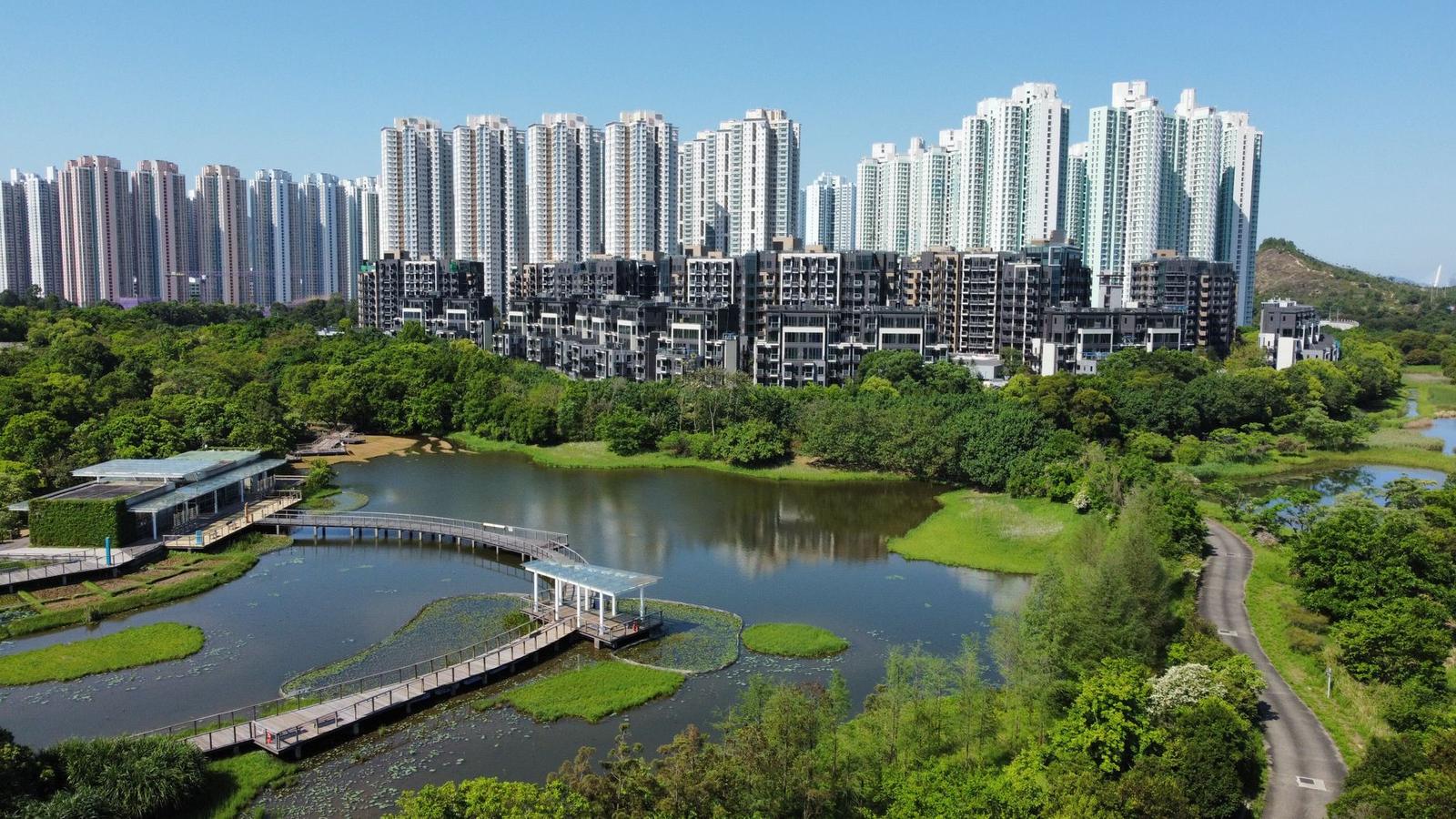
Fo Tan is no longer just an address for ceramicists and freight forwarders. The former light-industrial quarter tucked between Sha Tin's racecourse and the Shing Mun River has emerged as the district's sharpest investment play, with residential transactions picking up pace through the first half of 2026 as young professionals seek larger floor plates at prices that remain well below Sha Tin town centre averages.
The timing is not accidental. MTR journey times from Fo Tan station to Hung Hom sit at around 20 minutes on the East Rail Line, making the neighbourhood genuinely commutable for professionals working in Kowloon East's growing commercial cluster. At the same time, a sustained period of remote and hybrid working has pushed a cohort of under-35 buyers to reweight space over centrality, and Fo Tan, with its converted loft-style units and proximity to the Shing Mun River cycling trail, fits that calculus neatly.
From Kiln to Kitchen Counter
The neighbourhood's creative infrastructure laid the groundwork long before prices followed. Fo Tan Art Studios, which hosts its annual open-studio event each autumn and draws thousands of visitors to the industrial blocks clustered around Fo Tan Road and Yuen Shun Circuit, gave the area a cultural identity that developers have since leaned into heavily. Meanwhile, the Home Ownership Scheme estates along Chun Shek Street have kept a mixed-income character alive even as private landlords begin renovating ground-floor units into co-working spaces and specialty coffee shops.
The Sha Tin District Council has also backed public realm upgrades along Fo Tan Road under the Kai Tak to Sha Tin cycling corridor expansion, a project that links the waterfront promenade more directly to the neighbourhood's residential blocks. That infrastructure investment is a reliable leading indicator, similar corridor works preceded price appreciation cycles in Tai Wai and Racecourse Estate earlier this decade.
Within walking distance, the Fo Tan Public Library on Fo Tan Road and the adjacent Fo Tan Sports Centre give the pocket the kind of public amenity density that once required residents to travel to Sha Tin town centre proper. That self-contained quality is a selling point that estate agents working the New Territories East corridor have been emphasising in pitch materials circulated since early 2026.
What the Numbers Say
Residential prices in Fo Tan's newer private blocks have been trading at discounts of roughly 15 to 20 percent per square foot compared with equivalent-aged stock in central Sha Tin near New Town Plaza, according to transaction data compiled from the Land Registry for the 12 months ending May 2026. A 400-square-foot unit in one of the Fo Tan residential towers along Siu Lek Yuen Road has been changing hands in the HK$4.2 million to HK$4.8 million range, meaningful savings against comparable units nearer Sha Tin station, which have been achieving HK$5.3 million to HK$5.9 million over the same period.
Rental yields are tightening as demand firms. Gross yields on sub-500-square-foot units in the area averaged close to 3.2 percent in the first quarter of 2026, up from sub-3 percent readings that characterised the market through most of 2024 and 2025. For yield-focused investors, that directional shift matters more than the absolute number.
The demographic momentum is real. Fo Tan's residential vacancy rates have been falling faster than the broader Sha Tin district average, a pattern consistent with inbound demand from first-time buyers and young renters rather than speculative churn.
For buyers considering entry, the practical window may be narrower than it appears. Once a second coffee shop opens on a block in Fo Tan, there are currently two trading, with a third fitout visible behind hoarding on Yuen Shun Circuit, valuers tend to reprice the surrounding units upward within two to three transaction cycles. Investors who moved early into Tai Wai's gentrification wave between 2019 and 2022 saw exactly that sequence play out. Fo Tan appears to be one or two cycles behind that curve, which is precisely where patient capital tends to find the most durable returns.
This article is general information only and is not personal financial or investment advice. Consider your own circumstances and seek licensed professional advice before making financial decisions.