property
Investors Are Back in Sha Tin, and End-Users Are Feeling the Squeeze
A wave of returning buy-to-let buyers is driving up competition at open days and pushing transaction prices beyond what many owner-occupiers can stretch to.
How we reported this
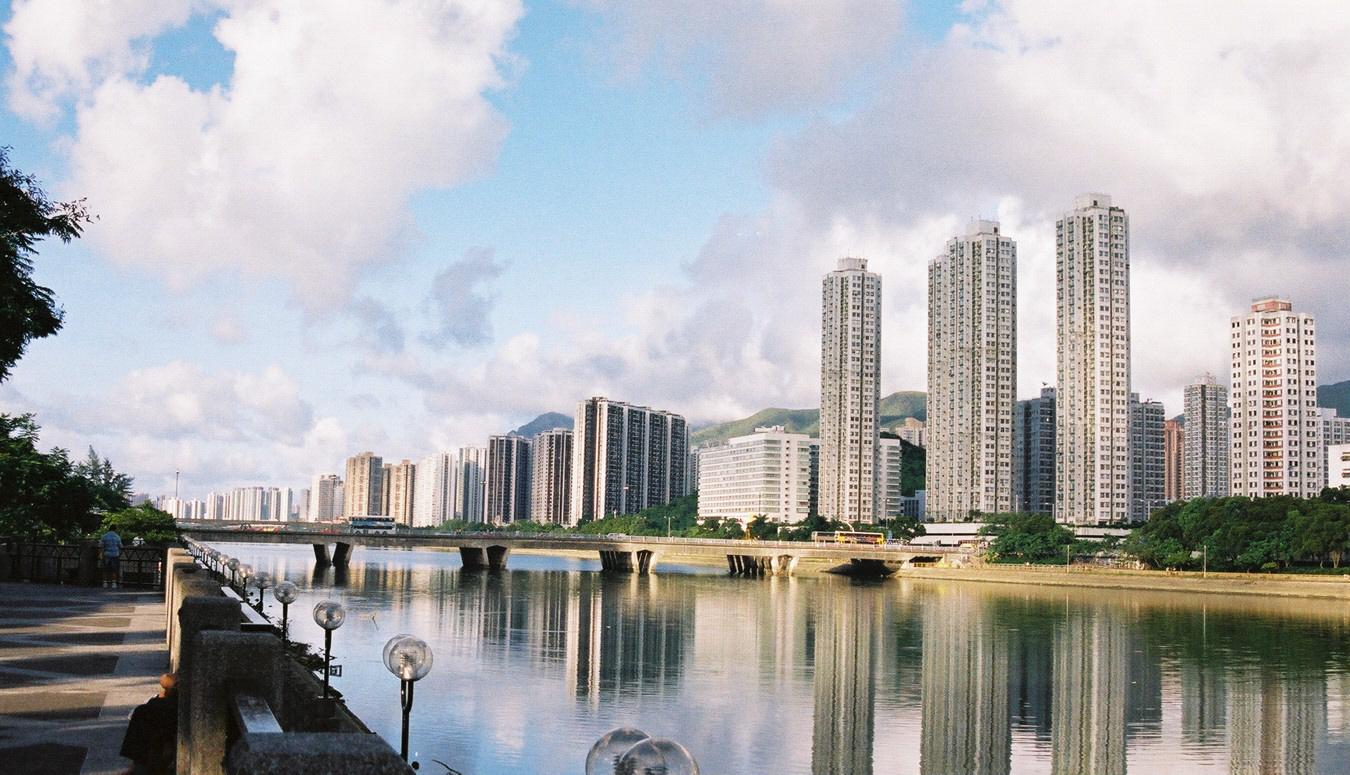
Investors who sat on the sidelines through most of 2024 and 2025 are returning to the Sha Tin residential market in numbers that agents say have not been seen since before the pandemic-era rate rises. The shift is reshaping who wins at tender, who walks away empty-handed, and what a square-foot costs from Fo Tan to City One.
The timing matters. Hong Kong's Monetary Authority held its base rate steady through the first half of 2026, and with interbank rates easing from their post-2023 peaks, the arithmetic on a leveraged residential purchase has quietly improved. At the same time, gross rental yields in Sha Tin, particularly in the tighter-unit stock near University MTR station, have crept back toward the 3.5 to 4 percent range that historically triggers investor interest. Buyers who once parked money in fixed deposits are reassessing.
City One and Fo Tan Bear the Brunt
City One Shatin, the landmark 1980s estate straddling both sides of Shing Mun River, has become a focal point. The estate's roughly 10,000 flats offer standardised floor plates and predictable management fees under the Sha Tin Estate Residents' Association framework, exactly the kind of legible, low-friction product that returning investors prefer. Agents at branches along Sha Tin Centre Street reported multiple-offer situations on sub-400-square-foot units through May and June, with some transactions closing above the original asking price for the first time in roughly 18 months.
Fo Tan, historically more industrial in character, tells a parallel story. The residential towers that line Fo Tan Road and cluster around Fo Tan station have attracted investors drawn by relative affordability and proximity to the Pak Shek Kok tech corridor. New completions in that pocket have been absorbed faster than analysts at several local agencies anticipated entering the year. Owner-occupier families, particularly those hoping to upgrade from a 300-square-foot unit to something with a separate bedroom, are consistently losing out to cash-rich or pre-approved investor buyers who can waive standard conditions and move quickly.
The competitive pressure shows up most clearly in transaction velocity. According to data compiled by the Land Registry and reported by local property research firms, Sha Tin district registered over 280 secondary market transactions in May 2026, up from fewer than 190 in the same month a year earlier. The median per-square-foot price for completed residential units in the district crossed HK$10,200 in June, recovering roughly 8 percent from the trough recorded in late 2024.
What End-Users Should Expect Going Forward
The practical effect for first-time buyers or upgraders is a narrower window and less negotiating room. Mortgage brokers operating out of offices near New Town Plaza have been advising clients to obtain formal approval letters before attending open days rather than after, a reversal of the relaxed practice that prevailed during the slower market of 2023 and early 2024. Pre-approved buyers with documentation in hand are closing deals in days rather than weeks.
Developers with remaining inventory in newer Fo Tan and Tai Wai projects are watching secondary prices rise and holding firmer on primary asking prices than they did six months ago. Several indicative price lists posted under Hong Kong's Residential Properties (First-hand Sales) Ordinance show per-square-foot figures that would have drawn resistance from buyers a year ago but are now attracting reasonable take-up rates.
For those determined to buy for their own use, the calculus has shifted: target estates with lower investor saturation, some blocks in Wo Che and the Ma On Shan corridor still show more end-user profile in transaction data, and consider units that fall outside the sub-400-square-foot bracket where investor concentration is highest. The competition is real, but it is not uniform across the district. Doing the postcode-level homework now will matter considerably by the time autumn viewing season begins in September.
This article is general information only and is not personal financial or investment advice. Consider your own circumstances and seek licensed professional advice before making financial decisions.