property
Sha Tin: The Blue-Chip Address That Still Has Room to Run
While prime urban districts in Hong Kong push buyers to their limits, Sha Tin continues to offer genuine value without sacrificing liveability or long-term upside.
How we reported this
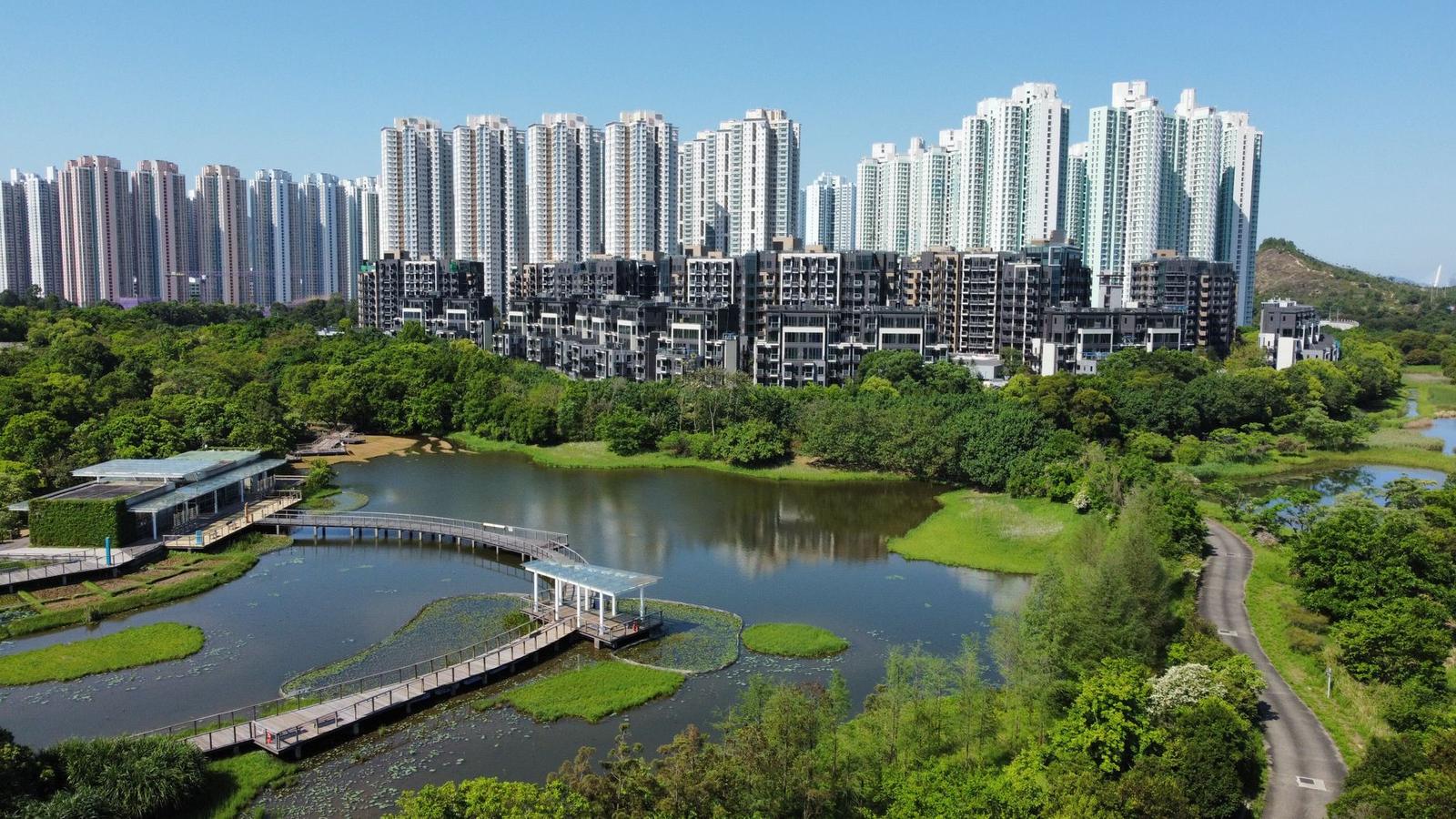
Sha Tin recorded median flat transaction prices holding at roughly HK$12,000 per square foot across the first half of 2026, according to property data tracked through the Land Registry, a figure that sits measurably below comparable stock in Kowloon Tong or mid-levels, yet comes with a transport backbone, green space, and institutional infrastructure that genuinely rivals either. For buyers who have been waiting on the sidelines, the gap is narrowing, and the window for entry at current levels may not stay open long.
The timing matters for a specific reason. The MTR Corporation's East Rail Line, which cuts through Sha Tin station and links directly to the terminus at Admiralty via the newly bedded-in Hung Hom cross-harbour section, has fundamentally redrawn Sha Tin's commute map. A journey from Sha Tin town centre to Hong Kong Island now runs under 30 minutes during off-peak hours. For professionals priced out of Quarry Bay or Fortress Hill, that calculus is increasingly hard to ignore.
Where the Value Is Concentrated
The neighbourhoods drawing the sharpest interest from both owner-occupiers and buy-to-let investors cluster around two corridors. The first runs along Pai Tau Street and into the Lek Yuen Estate precinct, where older but well-maintained housing stock, particularly three-bedroom units in the 600 to 700 square foot range, has traded at a discount of roughly 15 to 20 percent relative to equivalent age stock in Tsuen Wan, according to agency estimates circulating among registered estate agents in the district. The second corridor centres on City One Shatin, the large-scale private development off Ngan Shing Street, which maintains a liquid secondary market. Turnover in City One remained active through the second quarter of 2026, with sub-400 square foot studios finding buyers within weeks rather than months of listing.
Beyond bricks, Sha Tin's draw is institutional. The Chinese University of Hong Kong occupies a campus of more than 137 hectares on the eastern slopes above Tolo Harbour, a permanent anchor that keeps rental demand from postgraduate students and visiting academics relatively steady year-round. The Sha Tin Town Hall on Yuen Wo Road and the New Town Plaza shopping complex, one of the largest retail centres in the New Territories, mean residents are not surrendering urban convenience for suburban square footage. These are not peripheral amenities; they are the reason Sha Tin commands a premium over equivalent-sized flats in less-connected parts of the New Territories.
Reading the Data Before the Next Move
The broader Hong Kong residential market has spent most of 2025 and early 2026 digesting the effects of the government's February 2024 decision to scrap most additional stamp duty measures, a policy shift that released a degree of pent-up demand, particularly from non-permanent residents. Sha Tin absorbed that demand selectively. The private luxury end of the market, notably developments near Fo Tan and around the Racecourse Road fringe, saw price bumps through late 2025. The mid-tier segment, where the real value argument lives, moved more slowly, leaving a window that seasoned local agents say has not yet fully closed.
For prospective buyers, the practical calculus now involves a few concrete steps. The Sha Tin District Office on Yuen Wo Road publishes quarterly planning notices covering upcoming development applications in the district, worth monitoring for any changes to green belt or residential zoning near Tai Wai station, which sits at the interchange between the East Rail and the Ma On Shan Line. Mortgage rates from the major Hong Kong lenders remain tied to HIBOR benchmarks, which have eased from their 2023 peaks; buyers taking a floating-rate product in mid-2026 are entering at a materially different cost base than those who bought at the peak of the rate cycle. None of that guarantees appreciation, but for a district that has consistently held value through multiple cycles, the combination of infrastructure, institutions, and relative affordability makes Sha Tin one of the more defensible entry points in the territory right now.
This article is general information only and is not personal financial or investment advice. Consider your own circumstances and seek licensed professional advice before making financial decisions.