property
Sha Tin's 2026 Property Market: How It Stacks Up Against the 2021 Boom
Prices are moving again in Sha Tin, but the dynamics driving this cycle look nothing like the frenzy that peaked five years ago.
How we reported this
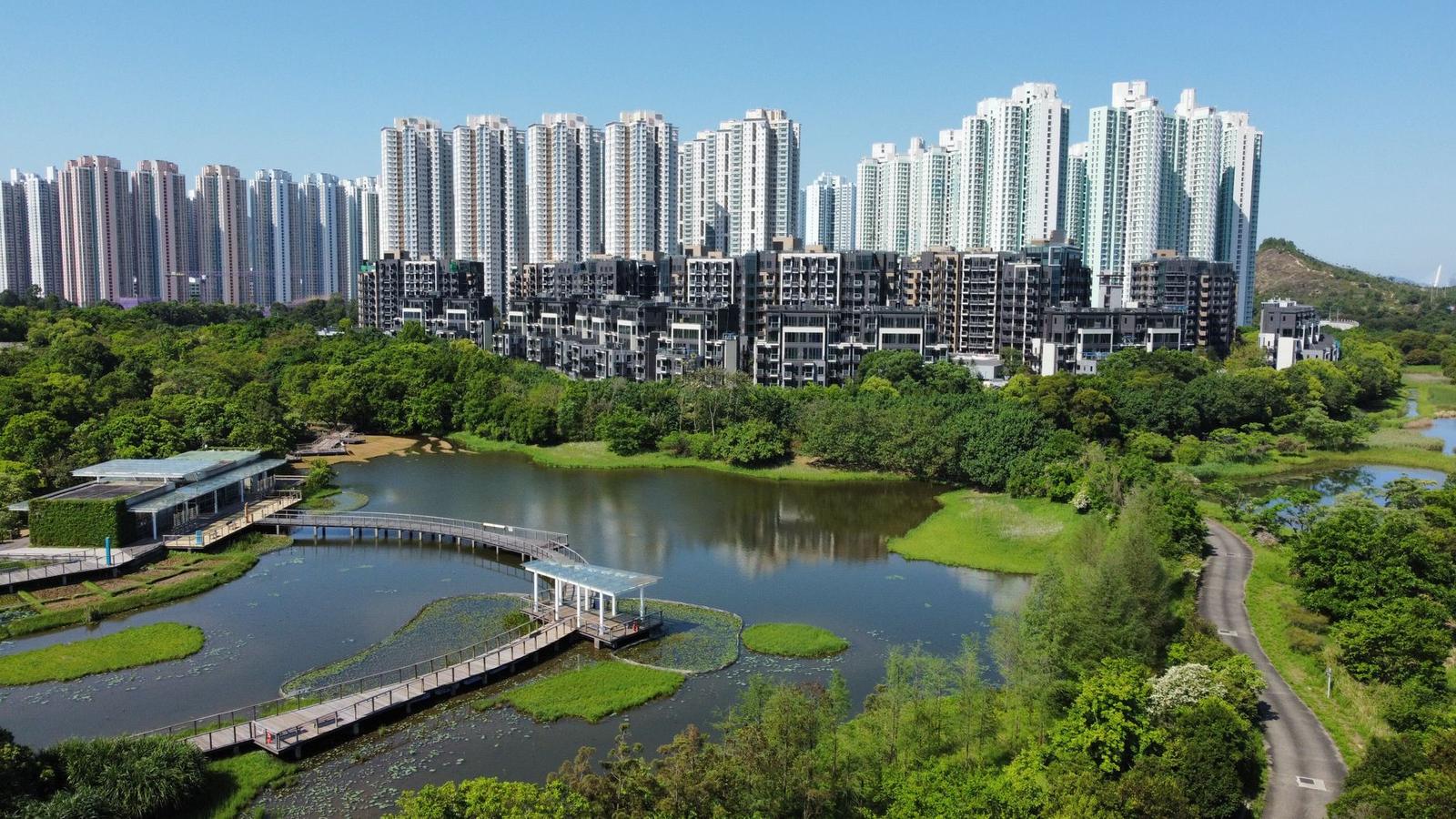
Flat prices across Sha Tin climbed roughly 4 to 6 percent in the first half of 2026, according to transaction data tracked by local agents, a meaningful recovery from the trough of late 2023, but still well short of the double-digit quarterly gains that defined the 2021 cycle. The numbers tell a more complicated story than either the optimists or the pessimists want to hear.
The comparison matters right now because Hong Kong's broader property market has spent the past three years shaking off a post-pandemic hangover made worse by rising US interest rates, which dragged the Hong Kong dollar peg-linked mortgage market with them. With the US Federal Reserve having cut rates twice since late 2025, borrowing costs are finally easing, and buyers who sat on the sidelines through 2023 and 2024 are re-engaging. Sha Tin, sitting on the East Rail Line corridor between Kowloon and the northern New Territories, tends to feel these shifts early.
On the ground in Sha Tin, the evidence is most visible at two bellwether estates. At City One Shatin in Sha Tin Wai, a standard 400-square-foot two-bedroom unit changed hands in June 2026 for approximately HK$4.2 million, compared with peak transactions above HK$5.1 million recorded at the same estate in mid-2021. At Riviera Gardens in Tai Wai, the gap between 2021 highs and current asking prices is similarly in the 15 to 18 percent range, though the spread is narrowing. Agents at Centaline Property's Sha Tin branch have reported a noticeable uptick in viewings since April, particularly for units in the HK$4 million to HK$6 million band that appeals to young families priced out of Kowloon Tong and Ho Man Tin.
What Made 2021 Different
The 2021 boom was fuelled by a specific and largely unrepeatable set of conditions. Mortgage rates sat near historic lows, the government's Home Ownership Scheme ballot at Che Kung Temple Estate drew tens of thousands of applicants and stoked broader aspirational demand, and a wave of buyers who had deferred decisions during the 2019 social unrest came back to the market simultaneously. Speculative flipping, while never as brazen in Sha Tin as in parts of Kowloon, was visible in short holding periods at estates like The Riverpark near Fo Tan MTR station. The Lands Department stamp duty data from that period showed a sharp spike in sub-24-month resales territory-wide.
None of those conditions fully apply in 2026. The government removed most of the extra stamp duties in February 2024, which provided a one-time demand boost, but the buyers returning now are predominantly end-users rather than investors. The secondary market in Sha Tin reflects that: fewer multiple-unit purchases by single buyers, longer average holding periods, and negotiating margins that favour neither side dramatically. Mortgage rates on a standard H-rate plan are currently hovering around 3.5 to 4 percent, lower than the 2023 peak but nowhere near the sub-2 percent environment that supercharged 2021 volumes.
Where the Market Goes From Here
The Sha Tin District includes some variables that could distinguish its trajectory from the broader Hong Kong market. The Tuen Ma Line, fully operational since 2021, has permanently improved connectivity between Tai Wai, Che Kung Temple and Hin Keng stations and the rest of the urban network. That infrastructure is now priced in, but it continues to draw tenants and owner-occupiers who work across multiple business districts, supporting rental yields that agents describe as running between 2.8 and 3.4 percent for typical units, modestly better than in the 2021 frenzy when prices outran rents.
Buyers considering entry now should benchmark carefully against the 2021 peak rather than the 2023 trough. A property that looks like a bargain compared with its worst moment of the last four years may still carry meaningful downside if global rate expectations shift again. The sensible move is to focus on genuine liveability factors, Sha Tin's proximity to the Shing Mun River promenade, the Sha Tin Town Hall cultural venues, and the Ma On Shan Country Park trailheads, and treat any capital gain as a bonus rather than a guarantee.
This article is general information only and is not personal financial or investment advice. Consider your own circumstances and seek licensed professional advice before making financial decisions.