property
House vs Unit Price Divergence and What It Means for Stanley Buyers
A widening gap between standalone home values and apartment prices is reshaping who can afford what in Stanley's property market, and where they end up living.
How we reported this
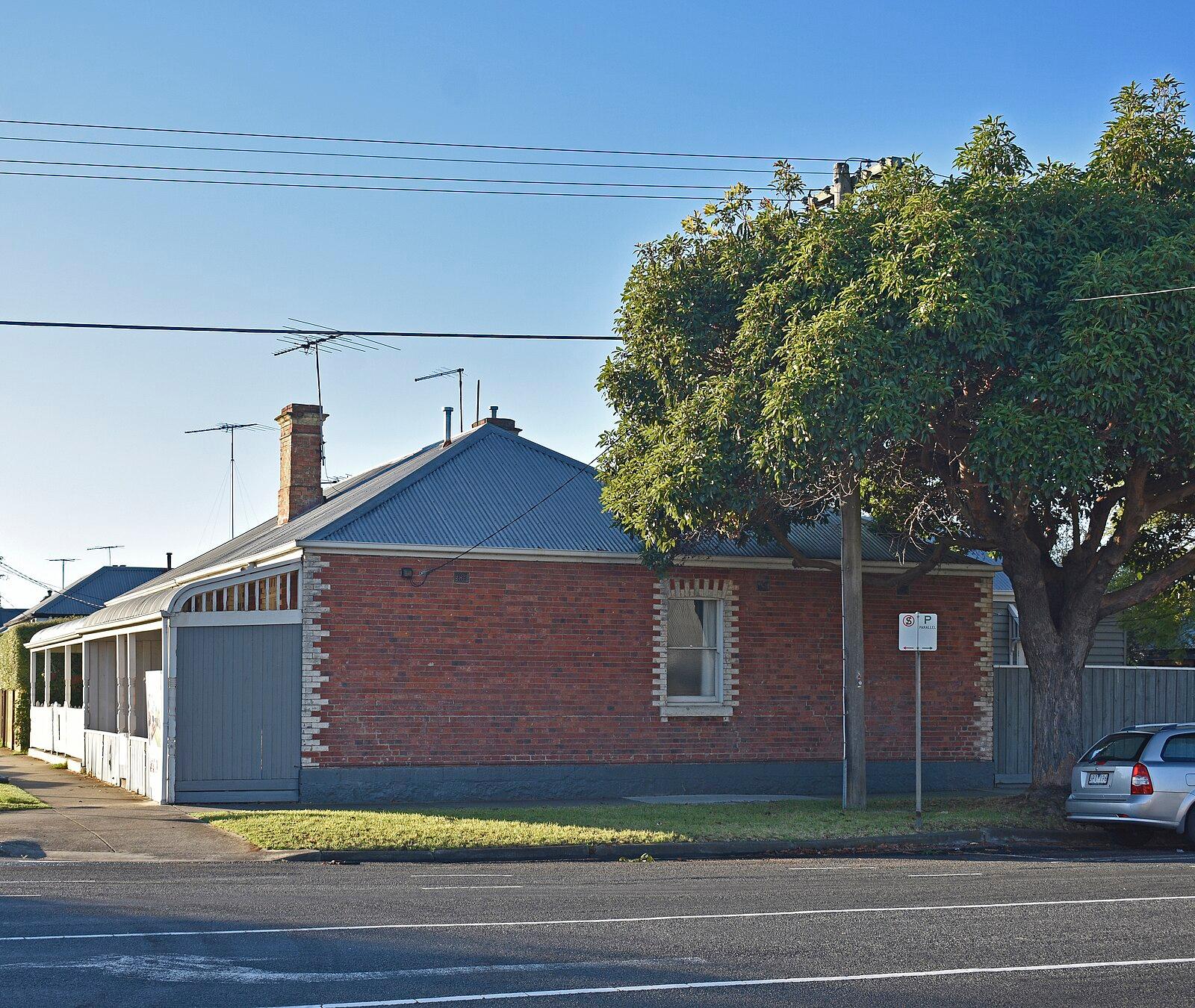
The numbers are hard to ignore. Detached houses in Stanley have pulled significantly ahead of units over the past 18 months, with the median house price sitting roughly 34 percent higher than the median unit price as of the second quarter of 2026. That gap was closer to 22 percent in early 2024. For buyers who entered the market hoping a unit would serve as a stepping stone, the ladder has grown considerably taller.
The divergence matters now because Stanley's population is expanding faster than its housing stock. The Stanley Municipal Planning Office approved 340 new dwellings in 2025, but fewer than 80 of those were detached homes on traditional lots. The rest were medium and high-density units concentrated around the Harbour Quarter and the Millpoint Road corridor. Supply, in other words, is skewing heavily toward the unit market, and that imbalance is dragging unit prices downward relative to houses even as overall demand climbs.
Where the Gap Is Most Visible
Walk the length of Cartwright Street in the older residential precinct north of Victory Park and the dynamic is immediately apparent. Period timber homes there have changed hands above the $820,000 mark repeatedly since January, according to property transfer records held at the Stanley Land Titles Registry. Meanwhile, comparable two-bedroom units in the new Harbourside Rise development off Fenton Quay, completed in late 2024, have been trading closer to $495,000, a figure that has barely moved since the building's settlement period closed.
The Millpoint Road corridor tells a similar story. Units in the eight-story Sentinel complex, listed through Stanley First National, have seen days-on-market stretch from an average of 19 days in mid-2024 to more than 40 days by June 2026. Houses within 500 metres of the same strip, particularly on Dalmeny Crescent and the lower end of Highfield Terrace, are still attracting multiple offers within the first weekend of listing.
The Stanley Community Housing Register, which tracks affordability thresholds for low-to-moderate income households, noted in its June 2026 quarterly update that units continue to represent the most accessible entry point for first-home buyers. The register currently lists 214 households in active search, a figure up from 178 at the same point last year.
What the Divergence Signals for the Market Ahead
Several structural factors are compounding the split. Interest rate policy has made borrowing more expensive across the board, but buyers who stretch for houses are demonstrably willing to carry higher debt loads. Units, facing competition from a steady pipeline of new completions, lack that same scarcity premium.
There is also a long-term liveability calculation at work. Families prioritising access to Stanley South Primary School and the open space around Flinders Reserve have consistently targeted the detached house market in the surrounding streets. That demand pool does not overlap much with the investor-driven appetite for compact units near the ferry terminal precinct.
For buyers currently deciding between asset classes, the practical reality is this: houses in Stanley's established neighbourhoods are unlikely to soften meaningfully while land supply remains constrained. The Beaumont Hill Estate, the last significant greenfield release within the municipality, sold out its final 22 lots in March 2026. No comparable release is scheduled before mid-2027 at the earliest, according to the Stanley Planning Scheme Amendment Register.
Units, by contrast, offer genuine value for buyers whose priority is low maintenance costs and proximity to the town centre, provided they are not banking on rapid capital appreciation in the near term. The current spread between house and unit prices may compress again if the development pipeline slows, but that compression is unlikely to benefit unit holders who buy now and attempt to sell within two to three years.
The clearest advice coming from Stanley's market data at mid-2026: know which side of the divergence your purchase sits on, and plan your timeline accordingly.
This article is general information only and is not personal financial or investment advice. Consider your own circumstances and seek licensed professional advice before making financial decisions.