Technology
Mong Kok deploys 2000 Mbps broadband and 86,000 hotspots district-wide
New FTTH investment and 86,000 public hotspots are turning Hong Kong's densest neighbourhood into a testbed for next-gen connectivity.
How we reported this
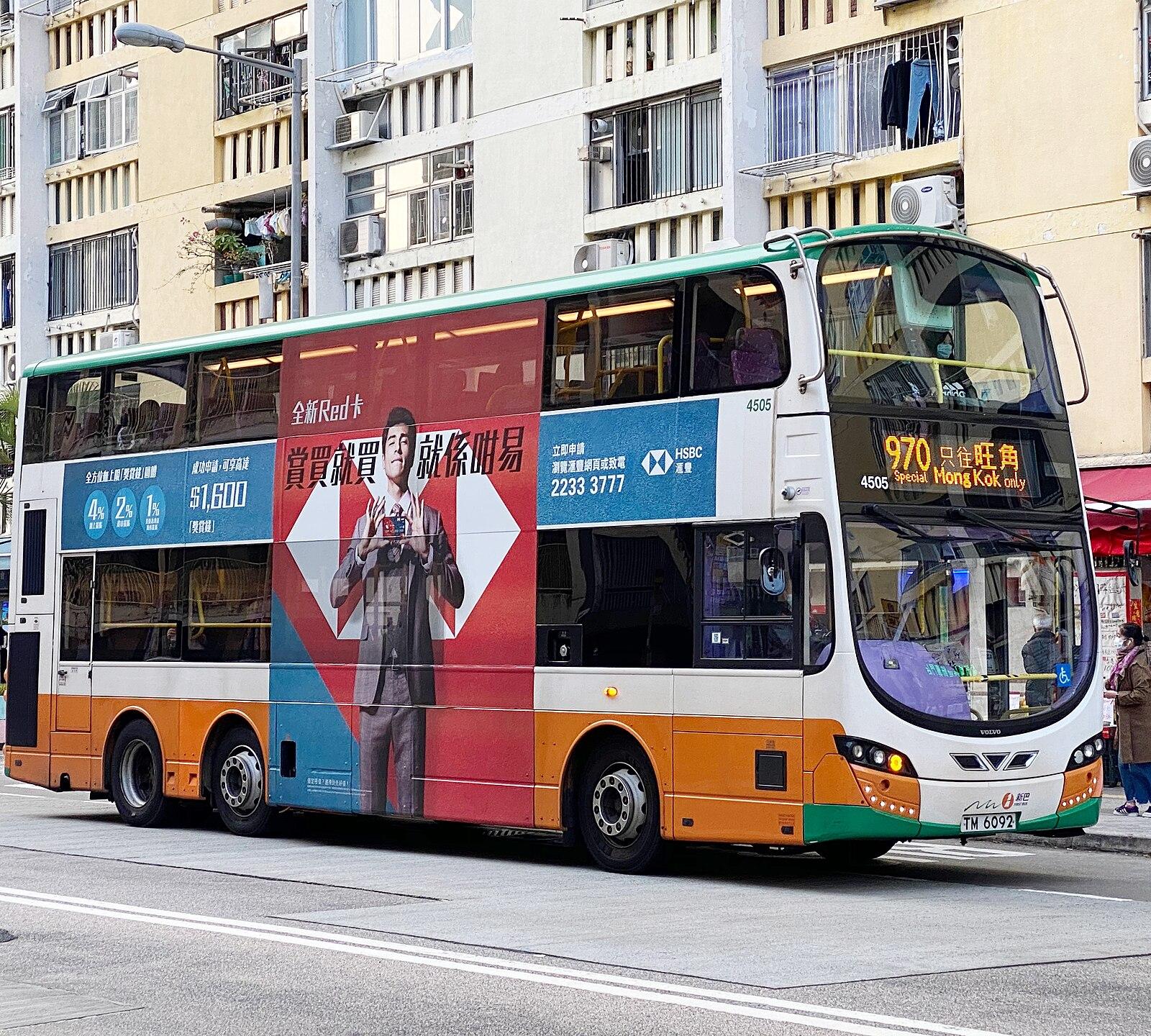
Mong Kok has long been known for its neon-lit streets and around-the-clock energy. But a quieter infrastructure revolution is underway: in January 2026, Viking Telecom partnered with FTNS to extend new Fibre-to-the-Home (FTTH) coverage to the district, offering residential and business users speeds up to 2000 Mbps, more than seven times Hong Kong's national average fixed broadband speed of around 260 Mbps.
The timing is no accident. Hong Kong already leads globally in broadband penetration, with over 96.6 percent of households connected as of October 2024, and 85.8 percent having fibre-to-the-home or fibre-to-the-building access, according to government data [4]. Mong Kok residents are served by major ISPs including HKBN, NETVIGATOR, and HGC [4]. Yet the new FTTH rollout targets a specific gap: ultra-high-speed symmetrical connectivity for the district's growing mix of e-commerce pop-ups, creative startups, and high-density residential towers.
Why Mong Kok needs 2000 Mbps
Hong Kong's average mobile download speed hovers around 100 Mbps, with China Mobile Hong Kong the fastest provider at a median 119 Mbps in the first half of 2025 [3]. Netvigator leads fixed broadband with a median 438 Mbps [3]. But Mong Kok's new FTTH offering blows past both, and it arrives as the district cements its reputation as a strategic location for startups in execution, creative marketing, e-commerce, and high-frequency consumer touchpoints [4].
HKBN already covers more than 2.1 million residential homes, 79 percent of all units in Hong Kong, with symmetrical 100 Mbps-plus fibre [5]. The new 2000 Mbps tier in Mong Kok targets businesses running real-time analytics, AI-assisted retail, and live-streaming commerce that demand low latency and symmetrical upload speeds. The district also benefits from access to over 86,000 public Wi-Fi hotspots across the city, creating a layered connectivity environment where fixed fibre handles heavy lifting and mobile fills in the gaps [5].
A district built for always-on data
Mong Kok's mobile connectivity was already rated excellent in 2026, with strong 4G/LTE and 5G availability, making it one of Hong Kong's top districts for network strength [2]. The new FTTH investment adds a fixed-line backbone that can handle simultaneous 4K video conferencing, cloud-based POS systems, and data-heavy inventory management across the tight-packed streets around Nathan Road, Fa Yuen Street, and Tung Choi Street.
The growth story behind the investment is partly about density. Mong Kok is one of the most densely populated shopping districts in the world, and its real estate economics favour high-frequency, low-margin retail that relies on always-on connectivity. Pop-up stores, a staple of the neighbourhood, need to spin up broadband quickly and cheaply [4]. Viking Telecom's partnership with FTNS effectively allows landlords and building managers to offer FTTH as a utility, lowering the barrier for short-term tenants who might otherwise rely on mobile hotspots or consumer-grade connections.
What happens next depends on take-up. Hong Kong's overall fixed broadband speed is already world-class, but the gap between the national average (260 Mbps) and what's now available in Mong Kok (2000 Mbps) illustrates a strategy of targeting hyper-dense urban cores first. If adoption mirrors the pattern of earlier fibre rollouts in districts like Causeway Bay and Tsim Sha Tsui, expect neighbouring areas to push for similar FTTH upgrades within 12 to 18 months. For now, Mong Kok's landlords and businesses have a clear speed advantage, and a chance to prove what ultra-fast fibre looks like in a neighbourhood that never sleeps.