Technology
Mong Kok tech district balances innovation with community accessibility challenges
While the district remains a hub for hardware and electronics, the integration of new technologies brings both community opportunities and complex challenges.
How we reported this
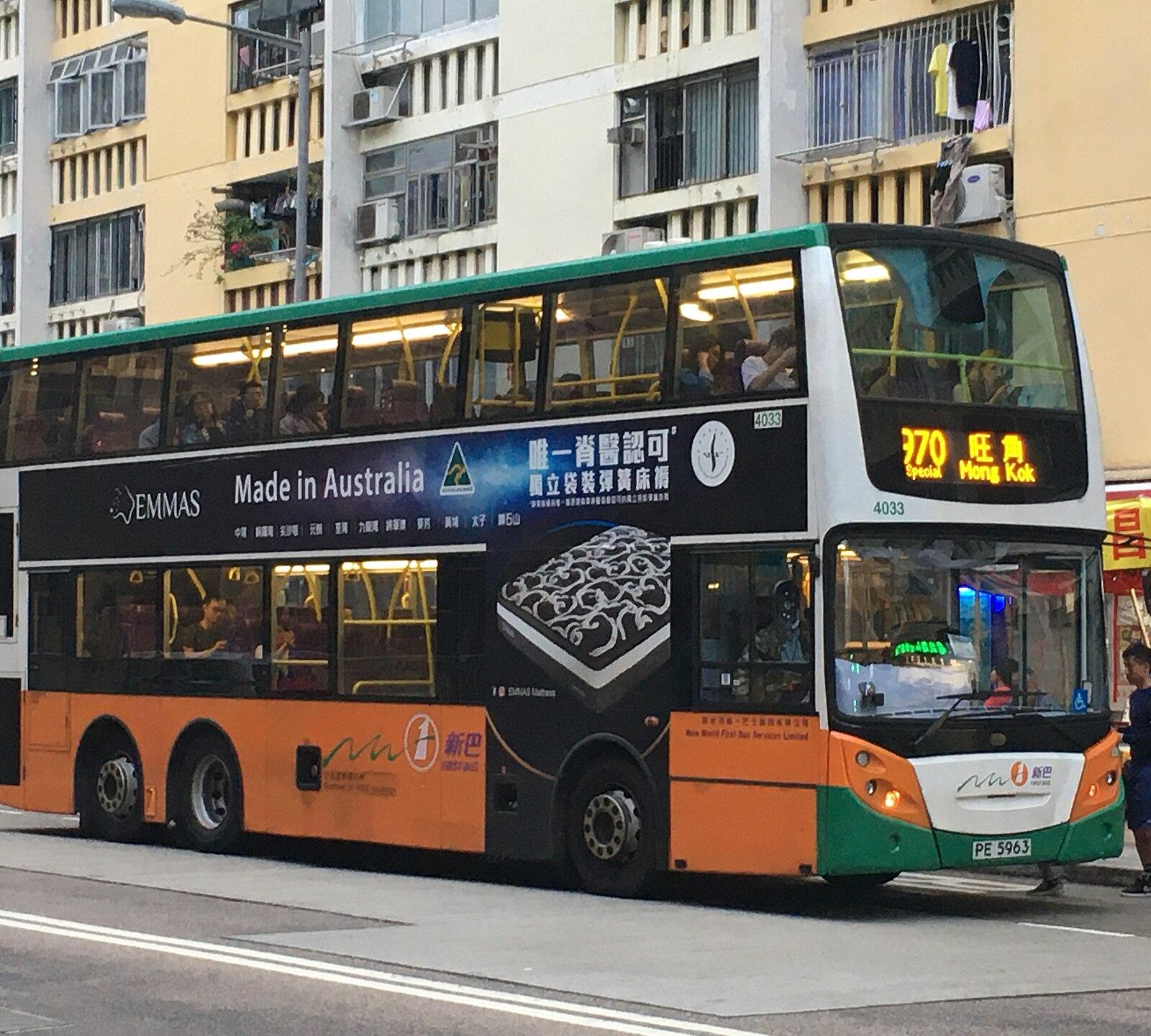
Mong Kok maintains its status as one of Hong Kong's three primary electronics hotspots, operating alongside Sham Shui Po and Wan Chai. The district is characterized by a high density of retail outlets that offer consumers alternatives to major retailers, specifically through the availability of customizable spare parts and cables. However, as the area shifts toward more advanced digital infrastructure, residents and businesses are navigating the intersection of traditional hardware retail and emerging smart-city applications.
The Hubs of Hardware Retail
The local tech ecosystem is physically anchored by the Mong Kok Computer Centre on Nelson Street. This three-story arcade hosts over 70 retail outlets that provide a range of computer parts, gaming gear, and accessories. According to available records, these outlets are known for offering products at competitive prices. A few streets away, the landscape shifts at Sai Yeung Choi Street South. Often referred to as "Electronics Street," this fully pedestrianized corridor features over 60 electronics retailers. These shops focus on the sale of smartphones, gaming equipment, and specialized services, including device screen replacements.
For those interested in optics and imaging technology, SIM CITY on Shantung Street remains a fixture of the local economy. Established in the early 2000s, it is known as Hong Kong's largest camera market, housing retailers that specialize in DSLRs, vintage film cameras, and accessories from manufacturers including Canon and Sony.
Emerging Tech and Ethical Considerations
The introduction of newer digital programs presents distinct challenges and opportunities for the local population. In 2025, the district saw the opening of Hong Kong's first AI-themed community living room. This space integrates AI learning applications and smart health facilities, designed to support local tech adoption. While such initiatives promise to improve accessibility to health and learning resources, they raise questions regarding data integration and the digital divide for long-term residents who may be more accustomed to the traditional, tactile electronics trade.
The reliance on these specialized districts highlights a broader tension. As the community continues to balance the needs of small-scale hardware retailers with the implementation of smart-city infrastructure, the focus remains on ensuring that tech adoption is equitable. For those looking to navigate the area's current offerings, the existing arcade and pedestrianized retail corridors provide a consistent, if complex, environment for sourcing electronics and repair services.