Technology
Tung Chung Expands Digital Access Programs Amid AI Integration Risks
As the city integrates AI and digital tools into daily life, authorities are balancing the potential of advanced education with the necessity of closing the access gap for vulnerable residents.
How we reported this
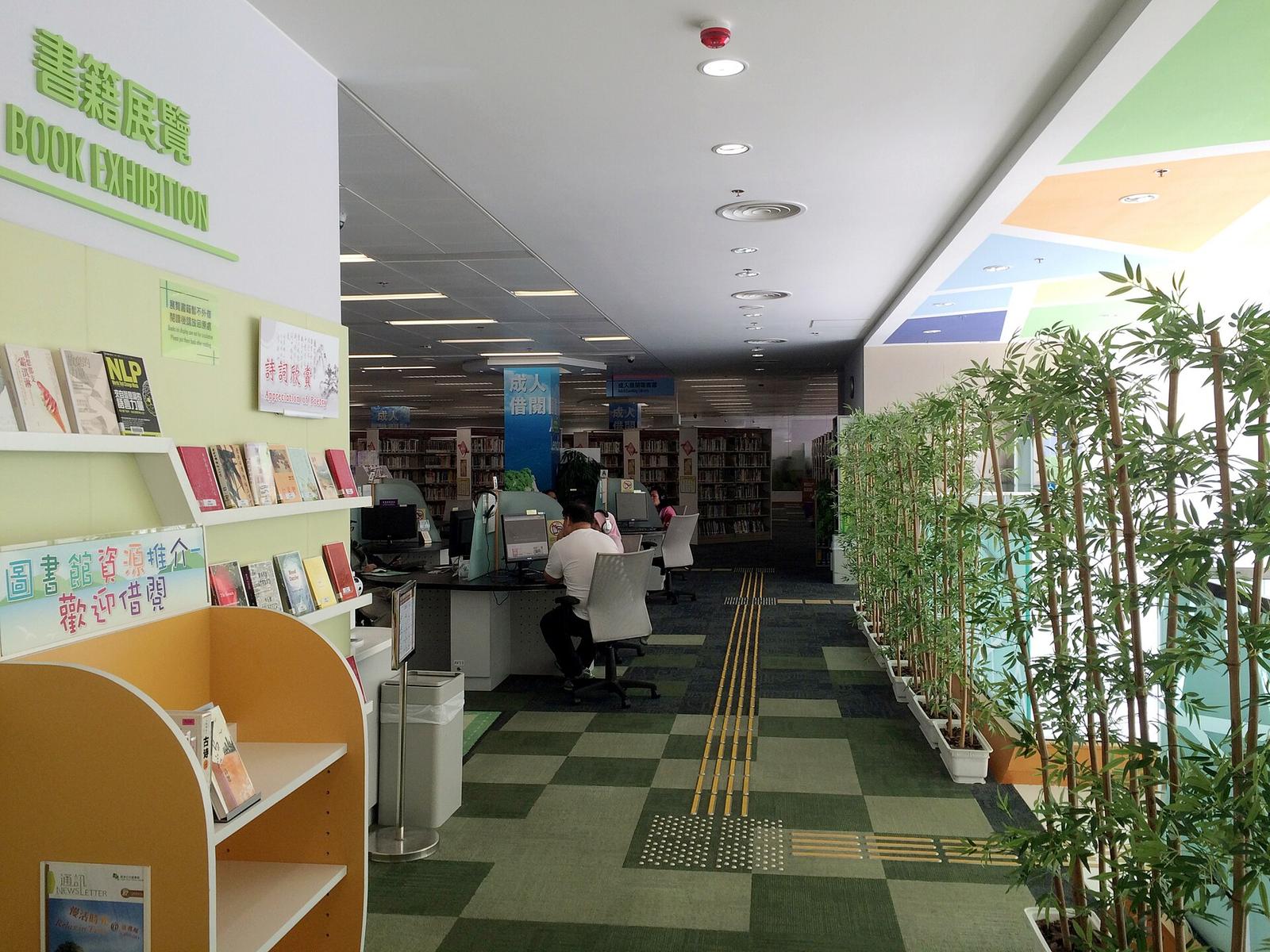
Tung Chung faces a critical junction in its technological evolution. While the city’s digital infrastructure expands, officials are working to ensure that segments of the population-particularly the elderly and those with sensory impairments-are not left behind by the rapid adoption of new tools and artificial intelligence.
The Framework for a Digital Future
The Education Bureau took a significant step in 2024 by releasing the 'Information Literacy for Hong Kong Students' Learning Framework' and the 'Blueprint for Digital Education Development' [4]. These policies aim to systematically cultivate digital and AI literacy in primary and secondary schools across the region [4]. By embedding these skills early, the government seeks to prepare the next generation for a workforce increasingly dominated by automation and web-authoring tools [4].
However, the promise of this digital integration comes with complex ethical questions regarding accessibility and the depth of literacy required to navigate a modern information landscape [6]. As schools push for more sophisticated technical instruction, support for the broader community remains a primary objective for local administrators [4].
Accessible Resources and Community Support
For those looking to bridge the technical divide, physical hubs remain essential. At G/F 56 Ma Wan New Village, the 'Smart Silver' Digital Inclusion Programme for Elders operates a dedicated help desk [1]. The service provides structured assistance to older residents, remaining open Monday through Friday from 11:00 a.m. to 1:00 p.m. and 2:00 p.m. to 4:00 p.m., with additional weekend hours on Saturdays and Sundays from 11:00 a.m. to 1:00 p.m. [1].
The Tung Chung Public Library at 39 Man Tung Road serves as a central pillar for broader digital access [2]. The facility offers free computer use, Internet browsing, and access to digital collections such as e-books and online databases [2]. Operating daily from 9:00 a.m. to 8:00 p.m.-with an adjusted schedule on Sundays closing at 5:00 p.m.-the library remains one of the most accessible venues for the public [2]. Across the territory, Hong Kong Public Libraries maintain a network of over 2,000 computers, providing access to professional-grade software like Microsoft Office and Adobe desktop applications for graphic design and web authoring [3].
Inclusive access extends beyond standard hardware. Non-governmental organizations, such as the Christian Action Community Cyber Centre, provide free IT facilities and Internet access, with a specific focus on assistive technologies for visually impaired users [5]. As the reliance on digital tools continues to grow, these community-based resources remain the primary safeguard against the risks of exclusion in an increasingly connected urban environment [2][5].