wellness
Shift Workers in Causeway Bay Reclaim Sleep With These Proven Strategies
With 24-hour businesses thriving in Causeway Bay, many residents and workers juggle sleep disruption. Here’s how shift workers can reclaim rest and resilience amid the city’s bustle.
How we reported this
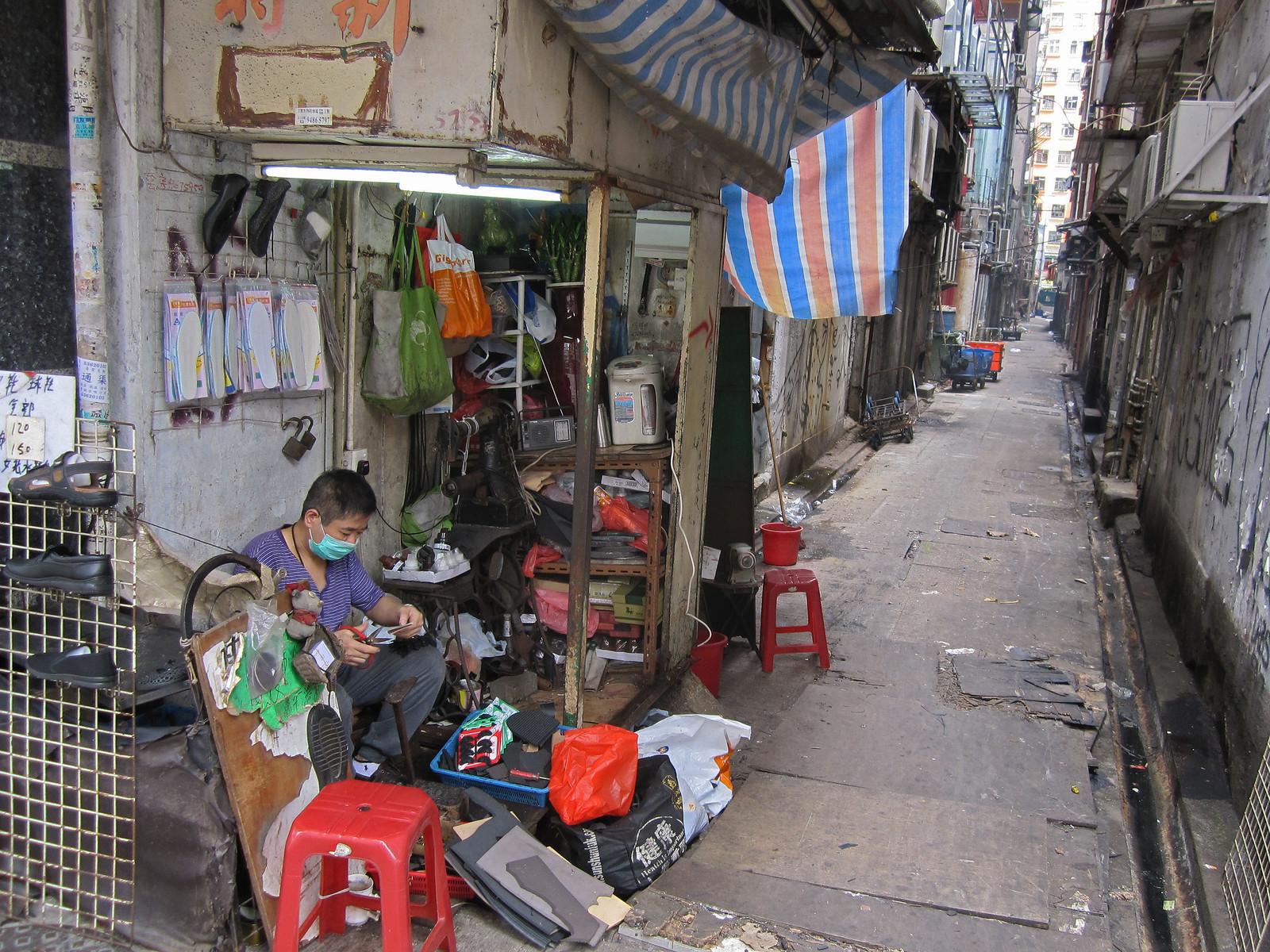
Long after the trams stop clattering down Yee Wo Street, cleaners, nurses, and restaurant crew are still at work, their schedules dictated by late shifts rather than daylight. Sleep disruption is a daily reality for shift workers in Causeway Bay, where neon-lit commerce never truly ends. Scientists highlight that resting at the "wrong" hours can hurt both physical and mental health, so managing odd-hours sleep is no small feat.
Hong Kong’s round-the-clock work culture means more people are navigating unpredictable hours. The Hong Kong Federation of Trade Unions estimates over 600,000 city residents regularly work night or rotating shifts. This isn’t just a matter of convenience; chronic sleep deprivation has been linked to higher risks of diabetes, heart disease, and depression. With hospitality, healthcare and delivery services thriving even after midnight between Leighton Road and Gloucester Road, pressure to adapt is growing in neighborhoods like Causeway Bay.
Local Resources for Rest
Some Causeway Bay employers are stepping up. Sogo Department Store, with its workforce spanning floor restocks to security, allows for short naps in quiet staff rooms, and encourages employees to make use of time-off swaps via their roster app. Down the block, St. Paul’s Hospital on Eastern Hospital Road runs periodic wellness talks, where staff learn practical relaxation techniques. Further along, yoga and stretching drop-in classes at Pure Yoga’s Hysan Place studio have attracted shift workers keen to decompress and improve their sleep routines.
For those working irregular hours, local wellness businesses are tuning in. Sleep specialists at The Body Group, located in the Lee Gardens area, offer tailored sleep hygiene workshops every third Wednesday of the month for a HK$150 fee. Meanwhile, the 24-hour branches of Pacific Coffee along Lockhart Road have become informal hubs for taxi drivers catching low-caffeinated downtimes and chatting with others facing similar struggles.
Evidence and Approaches
Recent research from the University of Hong Kong found that shift workers in the city average just 5.5 hours of sleep per 24-hour cycle-well under the recommended 7 to 9 hours for adults. In surveys published by the Hong Kong Public Health Association in 2024, about 62% of shift workers reported feeling persistently tired, and 38% noted an increased reliance on stimulants like coffee or energy drinks to stay alert. The Sleep Foundation's global guidelines advise developing consistent wind-down rituals, even when bedtime shifts, as one of the best defences against chronic sleep loss.
Doctors at local clinics report rising requests for advice about sleep supplements and blue-light blocking glasses. However, they caution that no product can replace basic sleep hygiene-dim lighting an hour before rest, lowering bedroom temperatures, and making use of blackout window shades, which are available for around HK$400 at homeware stores in the Time Square complex.
Restoring Balance
Small adjustments make a tangible difference. Nutritionists at the Movement Clinic in Windsor House recommend meal prepping to avoid heavy, greasy late-night foods that disrupt rest. Meanwhile, local sleep coaches recommend shifting light exposure-stepping outside to get daylight post-shift signals your body to reset its internal clock. Apps such as Sleep Cycle, now available in Cantonese, let users monitor patterns and refine their routines in real time.
For Causeway Bay’s growing shift-working community, piecemeal solutions add up. Whether it’s grabbing a restorative nap in a bus terminal break room, joining a sleep hygiene workshop, or establishing a consistent wake time even on days off, small steps restore resilience. If sleep troubles persist, wellness practitioners always suggest a check-in with a Hong Kong-licensed medical professional for advice tailored to individual health needs.