wellness
Mong Kok Studios Explain 7 Yoga Styles: Find Your Perfect Match
From the sweaty intensity of Bikram to the slow breath of Yin, Mong Kok's crowded studio scene offers more entry points than ever, here's how to find yours.
How we reported this
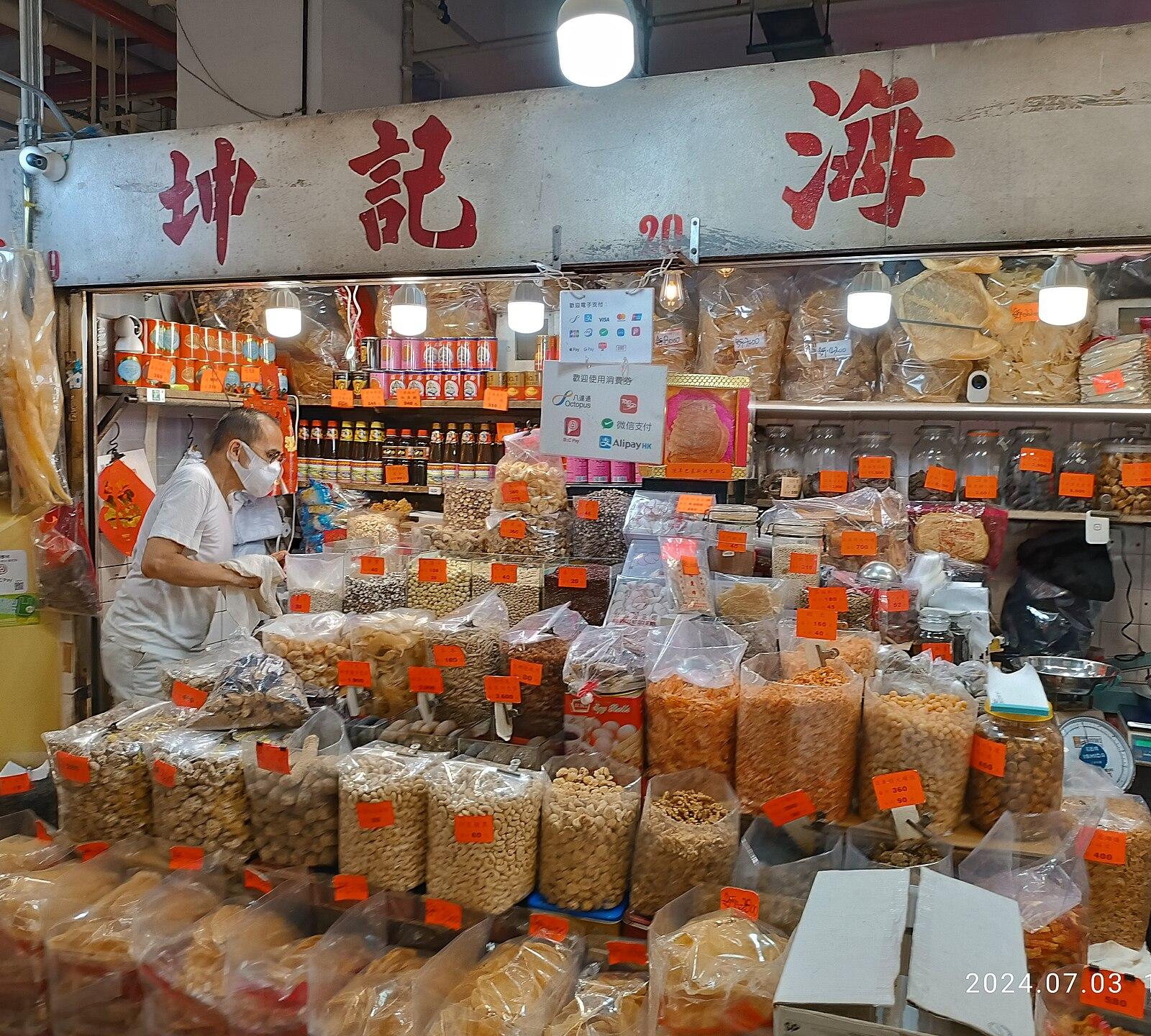
Walk down Fa Yuen Street on any weekday morning and you'll pass at least three yoga studios before you reach the wet market. That density is not accidental. Mong Kok, one of the most populated urban districts on the planet, has quietly become a serious hub for structured movement practice, with studio registrations in the Yau Tsim Mong district rising roughly 18 percent between 2023 and 2025, according to figures from the Hong Kong Leisure and Cultural Services Department. The question most newcomers face is not whether to try yoga, it's which version of it won't destroy them in the first week.
Hormones, burnout, and the relentless pressure of hybrid work schedules have pushed more people toward mind-body practice in 2026. Practitioners and studio managers across the district say enquiries have shifted: fewer people want a generic drop-in class, more want to know exactly what they're signing up for before they unroll a mat. The styles on offer in Mong Kok now span a genuine spectrum, from medically adjacent restorative work to sweat-drenched athletic sequences that rival any gym session.
The main styles, decoded
Hatha is still the baseline. Classes move slowly, hold poses for several breaths, and prioritise alignment over flow. It suits people returning from injury or anyone who has never stood on a mat before. Pure Yoga, which operates a flagship location on Nathan Road near the Mong Kok MTR exit, runs Hatha fundamentals sessions on Tuesday and Thursday mornings for HK$180 per class, or HK$1,400 for a ten-class pass. The pace is forgiving. The learning curve is not embarrassing.
Vinyasa is the style most studios are selling hardest right now. Poses chain together in sequences timed to breath, which creates a cardiovascular element Hatha lacks. A single 60-minute Vinyasa class burns roughly 400 to 500 kilocalories, comparable to a moderate cycling session. Flex Studio, with a branch on Sai Yeung Choi Street South, schedules Vinyasa Flow classes six days a week, with Saturday's 9 a.m. slot consistently oversubscribed by mid-week.
Yin is the style that often surprises people most. Poses are held for three to five minutes, sometimes longer, targeting connective tissue rather than muscle. It looks passive. It is not. Regular Yin practice has been associated in peer-reviewed literature, including a 2022 study in the Journal of Clinical Psychology, with measurable reductions in self-reported anxiety scores after eight weeks of twice-weekly sessions. For Mong Kok residents grinding through 10-hour office days, Yin's deliberate stillness functions less as relaxation and more as active nervous system recalibration.
Bikram, or its derivative hot yoga formats, divides opinion sharply. Thirty-eight degrees Celsius, 40 percent humidity, 26 postures repeated in the same sequence every time. The rigidity is the point: practitioners argue the predictability frees mental bandwidth that a varied class would consume. Hot Yoga HK on Argyle Street runs early-morning sessions starting at 6:30 a.m., popular with traders and hospitality workers whose shifts make evening classes impossible. Beginners are strongly advised to consult a GP before starting, particularly those with cardiovascular concerns.
Matching practice to personality
The honest sorting question is not flexibility or fitness level, it's temperament. People who find uncertainty stressful tend to do better in Bikram or Iyengar formats, where the sequence is fixed and props are plentiful. People who get bored with repetition gravitate toward Vinyasa or Ashtanga. Restorative yoga, which uses bolsters and blankets to support the body in complete passivity, is specifically designed for recovery periods, post-illness, post-surgery, or simply post-brutal-quarter at work.
Most Mong Kok studios offer a single trial class between HK$50 and HK$100. That is the most efficient research tool available. Book one Hatha and one Vinyasa in the same week, pay attention to how you feel 24 hours later, not during the class, and let that response guide the decision. The district's density means switching studios carries no real logistical cost. If a style or a teacher isn't working after four sessions, move. Anyone with existing health conditions, including hormonal imbalances or joint problems, should speak with a registered Hong Kong doctor before committing to an intensive programme.