wellness
Sleep Scientists Reveal 90-Minute Routine Mong Kok Residents Are Ignoring
As Mong Kok's 24-hour energy refuses to dim, sleep researchers say a structured 90-minute pre-bed ritual is the single most effective tool most people are ignoring.
How we reported this
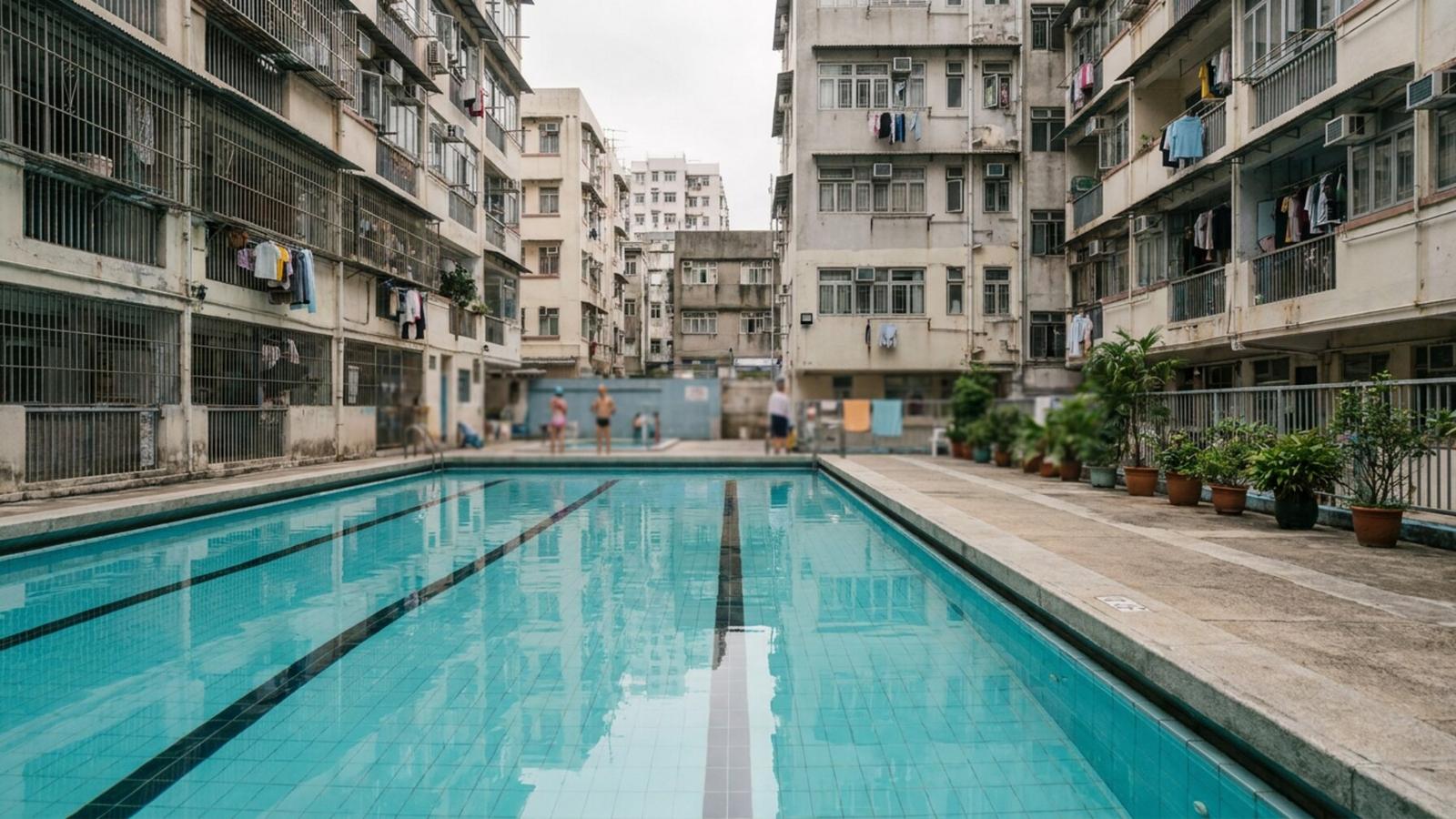
The neon on Fa Yuen Street does not switch off at midnight. Neither, for most Mong Kok residents, does the brain. A growing body of sleep science now points to one consistent finding: the hour and a half before you lie down matters more than the mattress you're lying on, the blackout curtains you've hung, or the melatonin supplement you've been swallowing since 2023. The wind-down routine is the intervention, and most urban dwellers are skipping it entirely.
Hormone research published in the journal Sleep Medicine Reviews in early 2026 has renewed public interest in melatonin's role in sleep onset, but scientists are quick to point out that external melatonin works best when paired with behavioural changes, not instead of them. Core body temperature needs to drop roughly one degree Celsius for sleep pressure to build effectively. In a district where the July humidity routinely pushes past 85 percent and street noise from Mong Kok's Tung Choi Street market runs until well after 11 p.m., that physiological cooling is genuinely hard to achieve, but not impossible.
What the Science Actually Says to Do
The evidence-based framework comes down to three phases across that 90-minute window. The first 30 minutes, starting around 9:30 p.m. for anyone targeting an 11 p.m. sleep time, should involve bright-light avoidance and a deliberate reduction in cognitive load. That means stepping away from work messaging apps, dimming screens, and, critically, lowering room temperature if air conditioning allows. Sleep neurologists recommend a room set between 18 and 20 degrees Celsius. Given average Hong Kong electricity bills, that is a real cost: a split-unit running at 19 degrees for eight hours adds roughly HK$8 to HK$12 to a daily bill depending on unit age.
The middle 30 minutes should involve what researchers call parasympathetic activation, essentially, anything that shifts the nervous system out of fight-or-flight. A warm shower or foot soak works through a counterintuitive mechanism: it draws blood to the skin's surface, accelerating heat loss from the core once you step out. Light stretching, slow breathing exercises, or even quiet reading on paper (not a backlit device) all qualify. The final 30 minutes before sleep should be spent in conditions as close to the sleep environment as possible, low light, low noise, low stimulation.
Where Mong Kok's Wellness Scene Is Responding
Local fitness and wellness operators have started building programming around this research. True Yoga, with its studio on Sai Yeung Choi Street South, runs a dedicated Yin & Restore class on Tuesday and Thursday evenings timed to end at 9:45 p.m., a scheduling choice the studio describes as intentional alignment with sleep-preparation windows. The 75-minute class uses extended passive holds, some lasting up to five minutes, which studies associate with reduced cortisol output. Drop-in pricing sits at HK$200 per session.
A few minutes south along the same corridor, the Mong Kok Public Library on Fa Yuen Street extended its quiet reading hours to 10 p.m. on weekday evenings starting in March 2026, a modest civic provision that inadvertently offers exactly the kind of low-stimulation, screen-free environment sleep scientists describe as ideal for the final phase of a wind-down routine. Entry is free.
The practical advice threading through all this research is consistent. Keep the routine at the same time every night, including weekends. Social jet lag, the term for shifting your sleep schedule by two or more hours on days off, is associated with measurably worse cardiovascular markers in adults under 50. Cut caffeine by 2 p.m. if your target sleep time is 11 p.m.; caffeine's half-life of five to seven hours means a 3 p.m. milk tea still has meaningful stimulant activity at midnight. And treat the 90 minutes before bed as a protected block, the same way you'd protect a morning meeting.
For personalised guidance on sleep disorders or hormone-related disruptions to sleep, consult a registered medical professional at a local clinic rather than self-adjusting supplements. The Kowloon West Cluster has general outpatient services at Kwong Wah Hospital on Waterloo Road, a 12-minute walk from Mong Kok East station.