wellness
Hot nights, bright screens, runway roar: how temperature, light and noise are wrecking your sleep in Tung Chung
Residents living under the flight path and beside Citygate Outlets are losing more sleep than they realise, and the science explains exactly why.
How we reported this
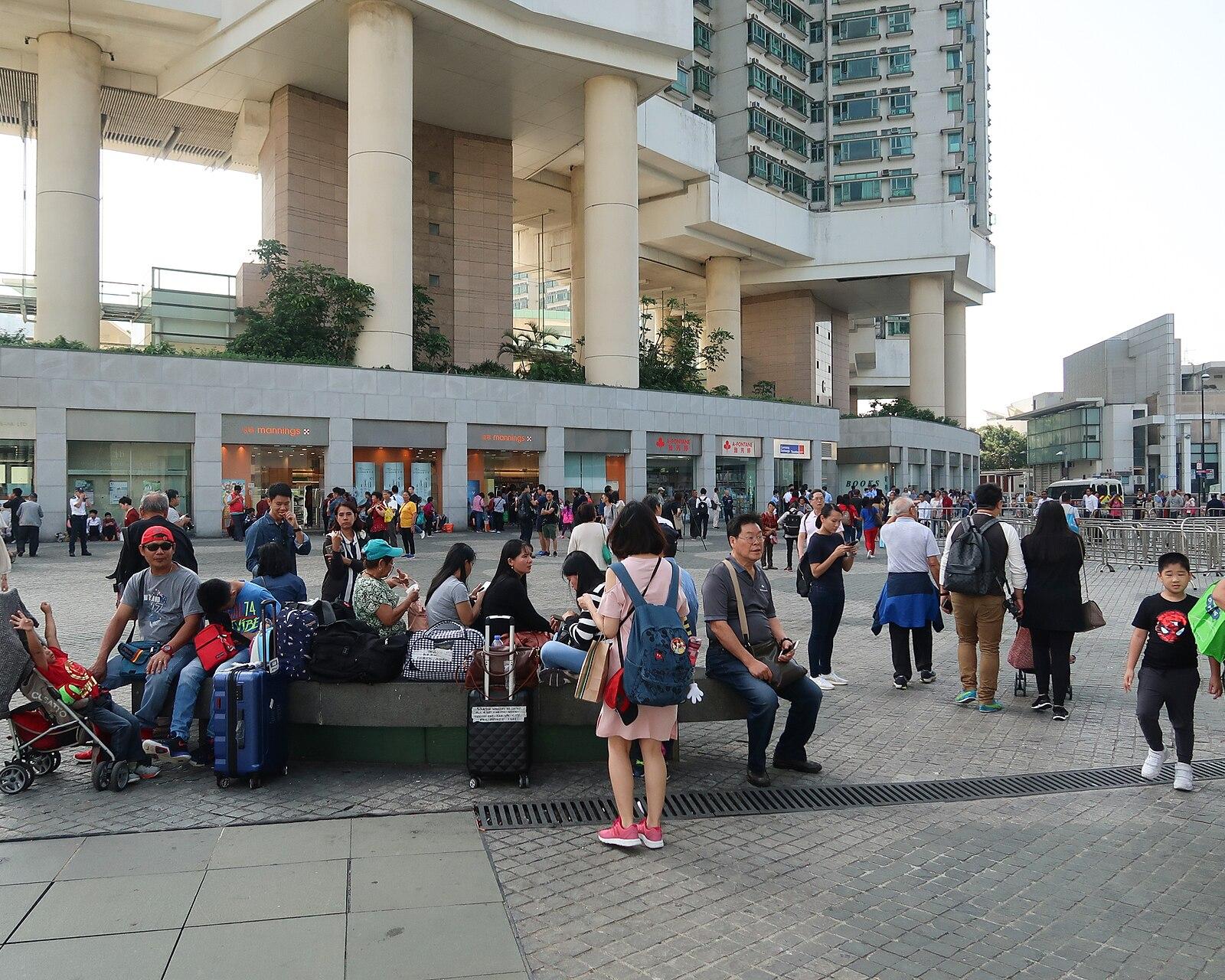
July is the cruellest month for sleep in Tung Chung. Outdoor temperatures have already breached 33°C on multiple afternoons this week, the Hong Kong Observatory has issued five heat advisories since June 15, and aircraft on the northern runway approach pass overhead roughly every 90 seconds during peak hours. For the 85,000-plus residents packed into one of Hong Kong's densest new-town developments, the bedroom has become a battleground.
The timing matters because July also marks the midpoint of Hong Kong's school summer break, when routines collapse and screen time climbs. Children sleep later, adults follow, and the environmental pressures, heat, artificial light, aircraft noise, compound the damage. Sleep medicine researchers have been loud about this particular triple threat for years, yet the advice rarely reaches communities where all three stressors hit simultaneously at the same address.
Three enemies, one bedroom
Start with temperature. The body needs its core temperature to drop by roughly 1°C to initiate and sustain deep sleep, a process sleep scientists call thermoregulation. When ambient air stays above 26°C through the night, that drop is delayed or never fully achieved. Tung Chung's urban canyon layout, with towers along Tat Tung Road and the dense residential blocks of Yat Tung Estate trapping radiated heat from concrete and asphalt, means indoor temperatures in un-air-conditioned rooms routinely sit four to six degrees higher than in low-rise areas of Lantau Island just 15 minutes away. Running an air-conditioner continuously solves one problem but introduces another: many window units in older Yat Tung blocks generate 45-52 decibels of constant noise, just above the World Health Organisation's recommended 40 dB night-time limit for indoor environments.
Light is the second disruptor. The neon signage of Citygate Outlets on Lantau Outlet Drive runs until 11pm, and the terminal apron floodlights at Hong Kong International Airport, visible directly from the upper floors of towers on Hing Tung Street, pulse throughout the night. Blue-spectrum light, whether from a phone screen or a distant apron lamp leaking through thin curtains, suppresses melatonin production. A 2023 study published in the Journal of Clinical Sleep Medicine found that even 10 lux of ambient light during sleep, roughly the level reaching a bedroom from a lit street, reduced melatonin by up to 50 percent and shortened REM sleep duration by an average of 18 minutes per night.
Noise is the third and arguably most persistent enemy. Hong Kong's Environmental Protection Department recorded average night-time noise levels of 60-65 dB along the Tung Chung New Development Area's northern perimeter in its 2024 monitoring report, well above WHO guidelines. Each noise event above 55 dB triggers a measurable spike in cortisol even in sleeping subjects who do not consciously wake. Over weeks, that cortisol load accumulates.
What residents can do tonight
The good news is that each stressor has a practical countermeasure that costs little or nothing. For temperature, setting an air-conditioner to 24-25°C on a timer that runs from 10pm to 2am, covering the critical first half of the night when deep slow-wave sleep dominates, is more energy-efficient and sleep-effective than running the unit all night. The Tung Chung Community Centre on Ying Tung Road hosts a free summer wellness programme on Thursday evenings throughout July that covers exactly this kind of household sleep hygiene; the next session runs July 10.
For light, blackout liners, available at the IKEA on neighbouring Lantau for around HK$79 per panel, cut incoming light by roughly 99 percent. Residents in Tung Chung Town Centre towers facing west toward the airport report the single biggest improvement in sleep onset after hanging them. For noise, in-ear foam earplugs rated at 33 dB noise reduction cost under HK$30 at Watsons in Citygate and take four to five nights to get used to before the benefit kicks in.
The Tung Chung Health Centre on Ngan Kwong Wan Road can refer patients to sleep assessments at Lantau's public health network if lifestyle changes prove insufficient. Anyone experiencing persistent fatigue, mood disruption or concentration problems after four weeks of modified sleep habits should book a consultation rather than self-manage further. The environment here is genuinely disruptive, knowing that is the first step to sleeping through it.