wellness
Tung Chung Residents Combat Loneliness Through Community Connection Programs
As mental health pressures mount in Hong Kong's bustling new town, residents are discovering that friendship-not pills alone-may be the most powerful antidote to stress and isolation.
How we reported this
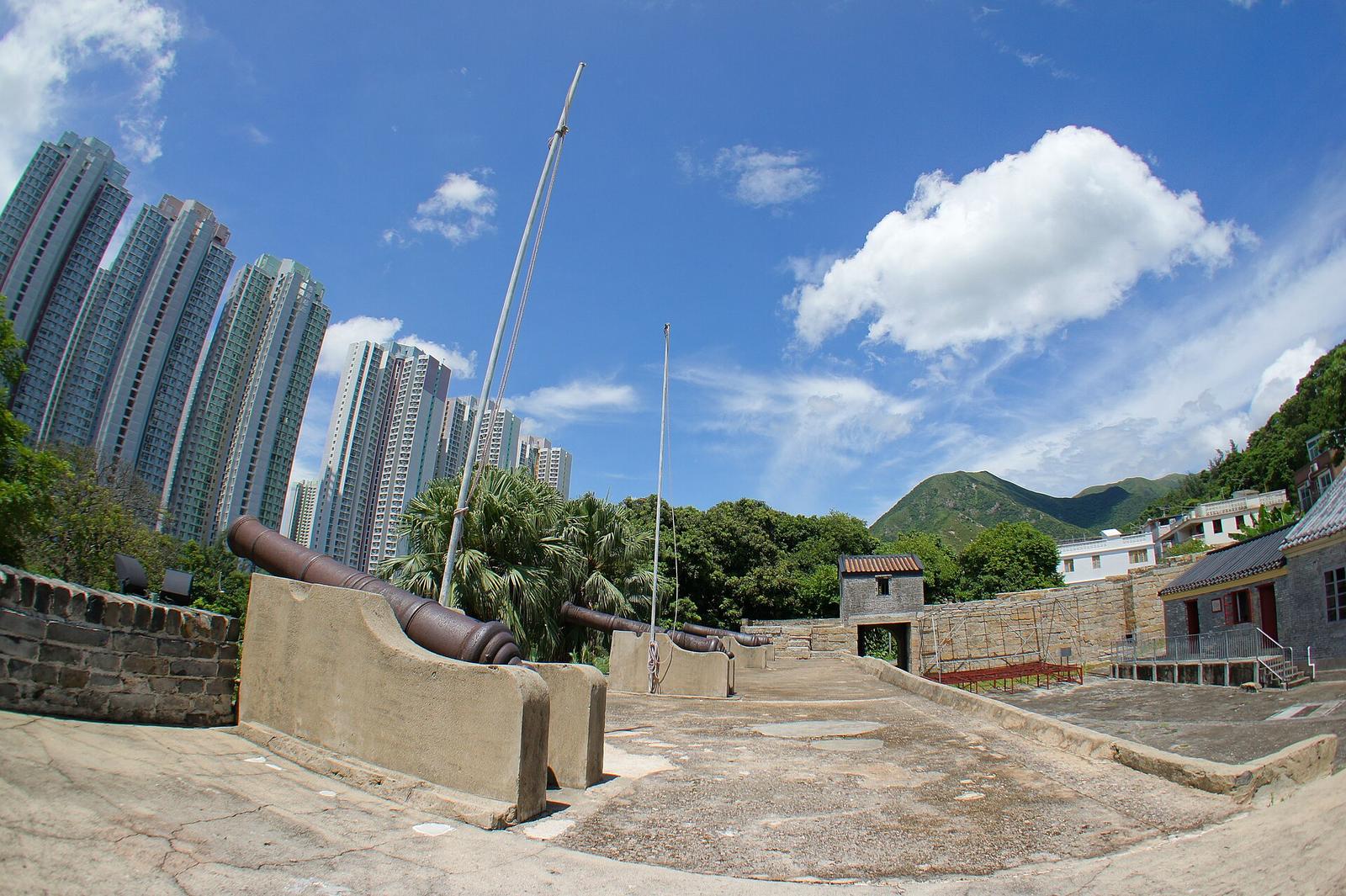
Tung Chung residents are rediscovering an old truth: loneliness kills. Not metaphorically. The World Health Organization flagged social isolation as a clinical risk factor equivalent to smoking 15 cigarettes daily in 2024, and two years on, that warning is hitting closer to home for commuters and families navigating this sprawling reclamation town on Lantau Island.
The pressure cooker of modern life-long commutes to Central, expensive housing, fragmented work schedules-has fractured the informal social networks that once bound neighbourhoods together. A 2025 survey by the Hong Kong Mental Health Association found 34% of respondents reported feeling lonely most or all of the time, with working-age adults aged 25-45 showing the sharpest spike. That cohort represents Tung Chung's core demographic: young professionals, young families, and shift workers who often eat dinner alone despite living shoulder-to-shoulder in dense residential blocks.
The town's geography amplifies the problem. While Tung Chung has exploded from a fishing village to a 150,000-resident hub in two decades, its social infrastructure hasn't kept pace. New arrivals-many transferred for jobs at the Airport or in logistics-lack family networks. The MTR commute consumes 90 minutes daily for workers heading to Central or Sheung Wan. After work, the impulse to collapse at home often trumps the effort to join a club or attend a community event.
Where Connection Still Happens in Tung Chung
Yet pockets of resistance are emerging. The Tung Chung Community Centre on Enting Road has quietly become a hub for the socially conscious. Its weekly health-talk series, launched in 2024, now draws 60-80 residents per session on topics ranging from sleep hygiene to workplace stress. The centre's peer-support walking groups, which meet three mornings a week at 7 a.m. along the seafront near Tung Chung Beach, report consistent attendance: about 40 regulars now turn out, many of them solo commuters who discovered that a 45-minute walk with neighbours was cheaper than therapy and more reliable than an app.
The Tung Chung Community Garden, a 0.3-hectare plot managed by the Tung Chung Youth and Community Development Association, has become another unexpected refuge. Opened in 2023, it now hosts 120 gardening plots and a rotating schedule of weekend workshops. Plot holders report that tending soil-and chatting with neighbours over the fence-has become their primary stress outlet. Many are retirees or new mothers, demographics typically at higher risk for isolation. Plot rental is capped at HK$300 per season, deliberately kept low to prevent economic gatekeeping.
The Evidence Behind Connection
The science is unambiguous. Research published by Harvard's Human Flourishing Program in 2025 found that people with strong social ties live 50% longer, on average, than isolated peers-a larger effect than exercise, diet, or sleep individually. The mechanism is physiological: meaningful social contact reduces cortisol spikes, stabilises blood pressure, and improves immune function within weeks. Loneliness, by contrast, activates the same threat-response cascade as physical danger, flooding the system with inflammatory cytokines that accumulate into chronic disease.
Tung Chung's challenge is distribution. A resident living in East Tung Chung (near Wan Tung Road) may find the Community Centre a 40-minute walk away. Public transport helps, but the friction is real. The Tung Chung Town Council acknowledged the gap in its 2026 wellbeing strategy, pledging three new neighbourhood drop-in spaces by end-2027. Budget allocation: HK$2.8 million.
For individuals, the prescription is simple but requires deliberate action. One coffee date per week with a neighbour or colleague costs nothing and yields measurable mental-health returns within a month. Joining a structured group-whether a tai chi class at the Tung Chung Sports Centre, a language exchange meet-up at the library, or the Community Garden-removes the friction of initiation. The barrier isn't wanting connection; it's overcoming inertia.
Start small. Show up twice. Loneliness thrives in silence; connection thrives on repetition.