wellness
Wan Chai Workers Use Breathwork to Cut Stress Between Meetings
From Johnston Road to the harbour promenade, a growing number of district residents are turning to structured breathwork to manage stress, and the science backs them up.
Listen in English · 4 min
How we reported this
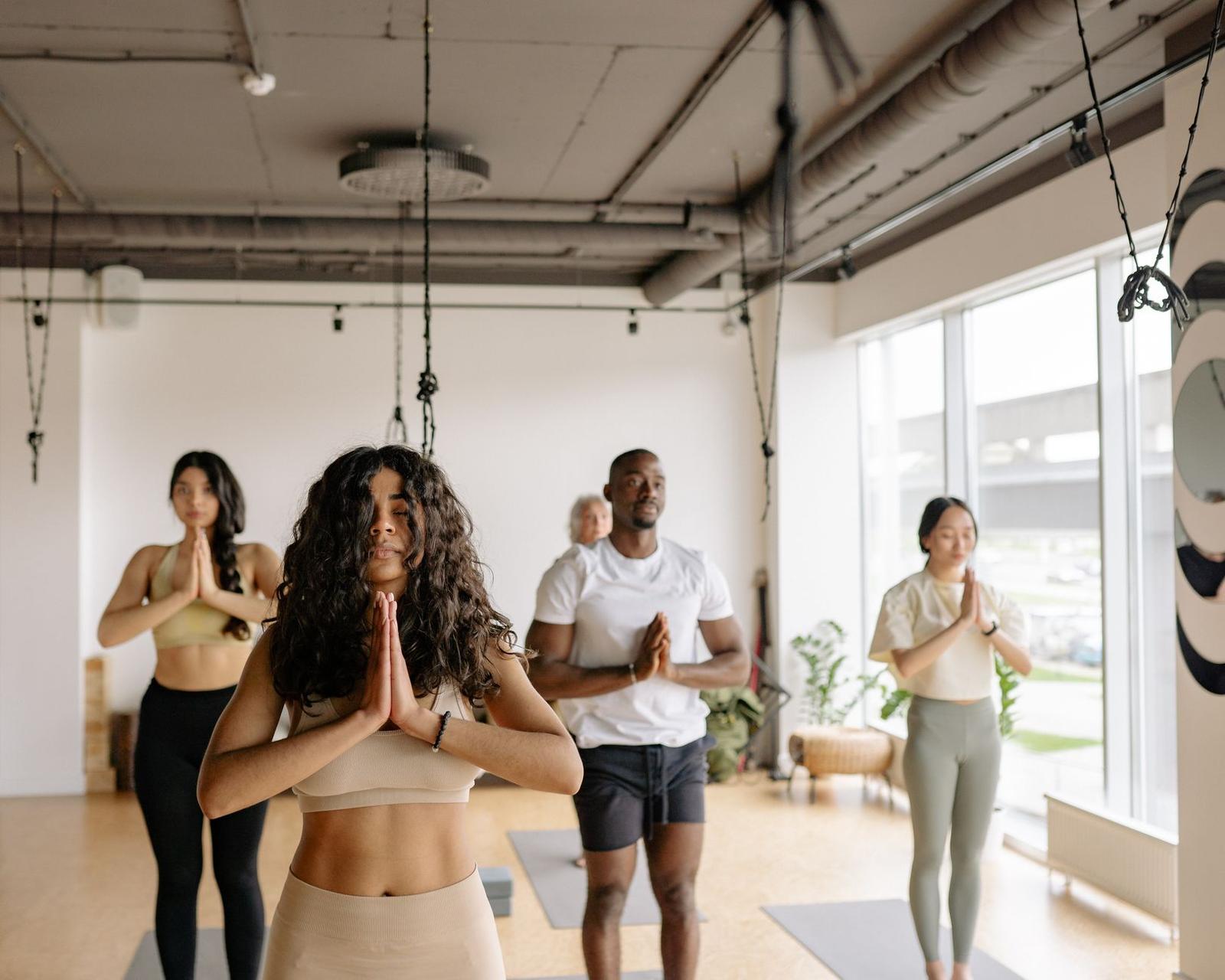
The technique takes four seconds to inhale, seven to hold, eight to exhale. It costs nothing, requires no equipment, and can be done in a lift on Hennessy Road. Yet most people caught in the dense professional churn of Wan Chai have never tried it.
Stress management has become an urgent daily calculation for the district's workforce. Wan Chai hosts some of Hong Kong's densest concentrations of law firms, financial consultancies and government offices, and the pace rarely relents even mid-week. The conversation around hormones, cortisol cycles and the physiological damage of chronic stress has grown louder globally, pushing more people to ask what they can actually do in the moment, before the headache sets in or the meeting derails them.
The Science Behind Slowing Down
Breathwork is not a trend that arrived with a wellness app. Controlled breathing techniques have decades of clinical research behind them. The mechanism is physiological: slow exhalations activate the parasympathetic nervous system, lowering heart rate and pulling cortisol levels down within minutes.
Three core techniques circulate most widely among Wan Chai practitioners. Box breathing, four counts in, four hold, four out, four hold, is borrowed from US Navy SEAL training protocols and works well during high-pressure moments because the rigid count occupies the analytical mind. The 4-7-8 method, developed by integrative medicine physician Dr. Andrew Weil and now standard in many corporate wellness programmes, is better suited to a post-meeting decompression. Physiological sighing, the double-inhale technique Stanford neuroscientist Andrew Huberman's lab highlighted, is the fastest of the three: most users report a measurable calm within 60 to 90 seconds.
Where to Learn It in Wan Chai
Pure Yoga's Wan Chai studio on Queen's Road East incorporates pranayama breathwork into its yin and restorative classes. The instructors there treat breathwork as foundational rather than supplementary, something you practise for ten minutes a day rather than reach for only in crisis.
Further along the waterfront, the Wan Chai harbourfront promenade between the Hong Kong Convention and Exhibition Centre and Hung Hing Road has become an informal site for early-morning breathwork. Groups gather there from around 6:30 a.m., particularly on weekday mornings, often following guided audio sessions on phones. No registration, no fee.
The Hong Kong Meditation Centre, which runs workshops from its Wan Chai location near the MTR exit on Johnston Road, offers a six-week Mindfulness-Based Stress Reduction course adapted for working professionals, with single introductory sessions available.
For those who cannot commit to a class, the practical entry point is lower than most people assume. Start with box breathing at your desk: four seconds in through the nose, four-second pause, four seconds out through the mouth, four-second pause. Repeat five times. Set a phone reminder for 11 a.m. and 3 p.m., the two windows when cortisol typically dips and cognitive fatigue accelerates. Consistency over two weeks produces measurable change in resting heart rate variability, according to multiple peer-reviewed studies.
The tools exist. They are free, they are fast, and the evidence is solid. The only remaining question for anyone reading this on a packed MTR train between Admiralty and Wan Chai station is whether to try the double inhale right now, or wait until the stress makes the decision for you. As always, anyone managing a specific health condition should speak with a local medical professional before beginning a new breathwork practice.