wellness
Hong Kong Yoga Guide: Find Your Perfect Style Today
From power flows in Causeway Bay to restorative sessions on the Wan Chai waterfront, Hong Kong's yoga scene has never been more varied, or more confusing.
How we reported this
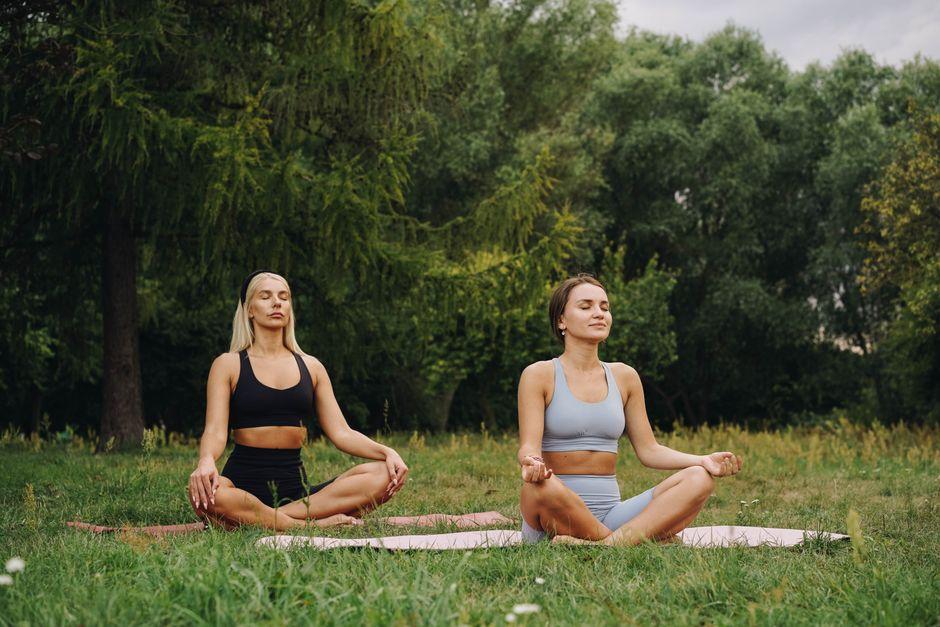
Walk down Stone Nullah Lane on any Tuesday morning and you will pass at least three yoga studios before you reach the tram stop. Hong Kong's wellness industry generated an estimated HK$19 billion in 2025, and yoga accounts for a growing slice of that, studio membership enquiries in Wan Chai reportedly jumped 28 percent in the first quarter of 2026 compared with the same period a year earlier, according to figures shared by the Hong Kong Health & Wellness Association in April. The problem most newcomers face is not finding a class. It is choosing the right one.
Hormones, sleep quality, and mental load are all front of mind for urban professionals right now, and instructors across the district say they are fielding more questions about which yoga style actually addresses which concern. The answer, they agree, is that style matters enormously, and picking the wrong one is a surprisingly common and fixable mistake.
The main styles, stripped back
Hatha is where most beginners should start. Classes move slowly, holding each pose for several breaths, which gives the body time to learn alignment before the mind has to manage speed as well. Pure Yoga, which operates a large studio on Gloucester Road in Wan Chai, runs Hatha fundamentals sessions on weekday mornings that draw a regular crowd of people returning to exercise after injury or long breaks.
Vinyasa, sometimes called flow, links movement to breath in continuous sequences. Heart rate climbs. A 60-minute vinyasa class burns roughly 400 to 600 kilocalories depending on intensity, comparable to a moderate cycling session. This is the style most associated with the Instagram-friendly poses, and it dominates the lunchtime schedule at most commercial studios. It suits people who find stillness frustrating and want a cardiovascular element without heading to a gym.
Yin yoga sits at the opposite end. Poses are held for three to five minutes, targeting connective tissue rather than muscle. Research published in the journal Frontiers in Psychology in 2023 found that eight weeks of regular Yin practice produced measurable reductions in self-reported anxiety scores among participants aged 30 to 55. The Yoga Room, which has operated a studio at 3/F, One Hysan Avenue since 2003, offers dedicated Yin classes four evenings a week, evening timing is deliberate, because the long holds encourage the nervous system toward rest.
Ashtanga is the serious athlete's choice. The Primary Series follows a fixed sequence of poses performed every session, building memorisation and strength simultaneously. It demands commitment: the traditional Mysore-style practice runs six mornings a week. Studios in the Kennedy Town and Sheung Wan corridors attract the most dedicated Ashtanga communities, though Wan Chai practitioners are known to cross the district for early-morning sessions.
Hot yoga, Bikram and its derivatives, fills 35-degree rooms to encourage deeper muscle release and heavy sweating. Studios on Johnston Road and Hennessy Road both offer 90-minute hot classes. Hydration before class is non-negotiable; the Hong Kong Amateur Athletic Federation advises drinking at least 500ml of water in the two hours before any heat-based exercise session.
Matching practice to need
The decision framework is simpler than most studio marketing suggests. Sleep problems and chronic stress: start with Yin or restorative classes, ideally after 7pm. Weight management as a goal alongside flexibility: Vinyasa three times a week, supplemented with one Yin session. Recovering from back pain or joint issues: Hatha only, and tell the instructor before class, most Wan Chai studios conduct a brief intake conversation at the first visit. Competitive athletes cross-training for mobility: Ashtanga, once they accept the fixed structure.
Prices across Wan Chai studios range from HK$180 for a drop-in community class at the Wan Chai Sports Centre on Harbour Road to HK$380 for a premium hot-yoga session at a private boutique studio. Monthly unlimited memberships average around HK$2,200, with most studios offering a two-week trial for new members at HK$500 or below.
Before committing to a membership, most instructors recommend attending at least two different style classes in the same week. The body's response on day two, soreness type, energy level, sleep quality that night, tends to be a more honest guide than any quiz or marketing description. Consult a local physiotherapist or sports medicine doctor if you have existing injuries before beginning any new practice.