wellness
Night Shifts, Broken Clocks: Practical Sleep Strategies for Wan Chai's Around-the-Clock Workers
From hospital staff on Bowen Road to bar workers clocking off at dawn on Lockhart Road, irregular sleepers need more than blackout curtains, they need a plan.
Listen in English · 4 min
How we reported this
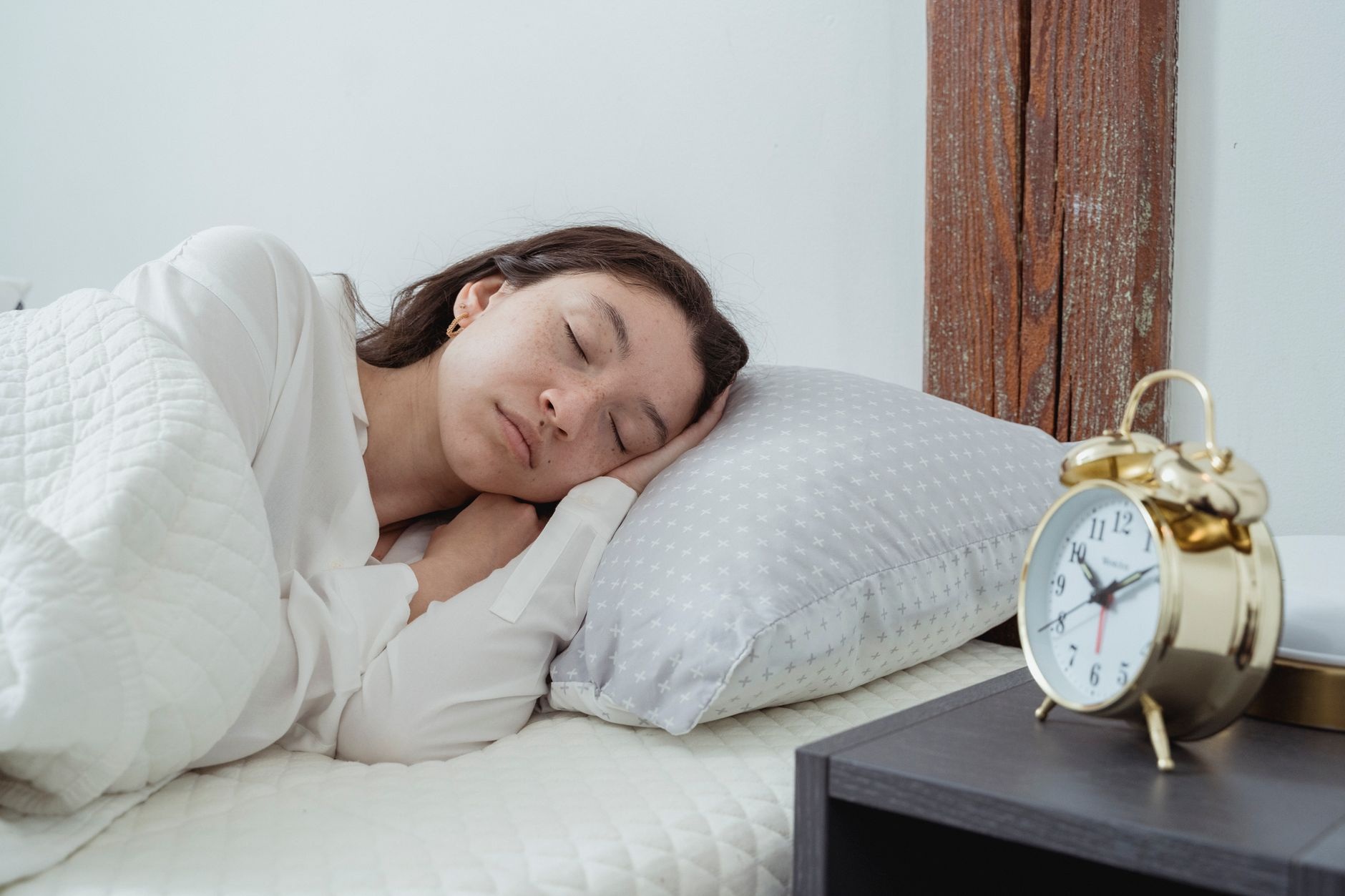
Hong Kong runs on people who never sleep at normal hours. Nurses finishing 12-hour rotations at Ruttonjee Hospital on Hennessy Road. Bartenders locking up along Lockhart Road at 4 a.m. Kitchen staff at the 24-hour cha chaan tengs on Johnston Road who start their prep before the MTR opens. For all of them, the advice to "get eight hours" lands somewhere between useless and insulting. What's becoming clearer, though, is that the damage from chronic sleep disruption goes well beyond feeling groggy, and that practical, specific interventions can meaningfully reduce it.
The conversation around hormones and sleep has sharpened considerably this year. Melatonin regulation, cortisol spikes tied to night-shift patterns, and the downstream effects on metabolic health are getting serious attention from occupational health researchers. For Wan Chai, a district whose wellness culture sits alongside one of the densest concentrations of hospitality workers, security guards, and medical staff in the SAR, this is not abstract. The World Health Organization classifies night-shift work as a probable carcinogen, a finding first published in 2007 that has only accumulated more supporting evidence since. A 2023 meta-analysis in the journal Sleep Medicine Reviews put the elevated cardiovascular risk for long-term shift workers at roughly 17 percent compared to day workers. That figure doesn't change based on how many gym memberships a district has.
What the Body Is Actually Fighting
The core problem is the suprachiasmatic nucleus, a cluster of roughly 20,000 neurons in the hypothalamus that anchors the body's circadian rhythm to light cues. Tell it that 7 a.m. sunlight on the Star Ferry pier is bedtime, and it will resist you every morning. The resistance shows up as fragmented sleep, elevated evening cortisol, and a suppressed immune response. Light therapy is the most evidence-backed tool for retraining this system. A 10,000-lux lightbox used for 20 to 30 minutes at the intended "morning" of a shift worker's personal schedule, even if that's 3 p.m., can shift the circadian phase by 1 to 2 hours within a week, according to research from the Sleep Research Society.
The Wan Chai Sports Centre on Kennedy Road runs early-evening yoga and mindfulness sessions that several local nurses have quietly adopted as a wind-down ritual before a daytime sleep. The structure matters: the body needs a consistent pre-sleep signal, whether that's dim lighting, a short walk along the waterfront promenade at Wan Chai Ferry Pier, or a fixed 15-minute breathing practice. Temperature also plays a role that most people underestimate. Core body temperature needs to drop roughly 1°C to initiate sleep onset. Hong Kong's July humidity makes that harder; a cool shower before bed and setting air conditioning between 18°C and 20°C are among the few low-cost interventions with consistent experimental backing.
Building a Practical Shift-Sleep Protocol
The Wan Chai district has a handful of resources worth knowing. The Gaia Holistic wellness clinic near Star Street offers consultations specifically for sleep and stress, and has seen an uptick in shift-worker clients since early 2025. Ruttonjee Hospital's occupational health unit runs a periodic workplace wellness programme that covers sleep hygiene; the next intake is scheduled for September 2026, and referrals can come through a general practitioner. For those not ready for a clinical setting, the Hong Kong Sleep Society maintains a free online self-assessment tool updated in January 2026 that flags whether someone's pattern warrants professional review.
Practical anchors matter more than perfect conditions. Sleep specialists consistently recommend fixing a wake time, not a bedtime, as the primary lever for shift workers, because it gives the circadian system a reliable anchor even when the preceding sleep was broken. Caffeine has a half-life of five to seven hours; a double espresso from one of the Johnston Road dai pai dongs at midnight is still half-active in the bloodstream at 6 a.m. Melatonin supplements, sold over the counter at Watsons on Hennessy Road for around HK$120 for a 30-day supply, can help with phase-shifting but work best at doses of 0.5 mg rather than the 5 mg tablets that dominate the shelf. Anyone with underlying health conditions should check with a local GP or occupational health physician before starting any hormone-adjacent supplement.
The goal is not to pretend the body enjoys working nights. It doesn't. The goal is to give it enough predictability that it stops fighting quite so hard.